
Main Courses
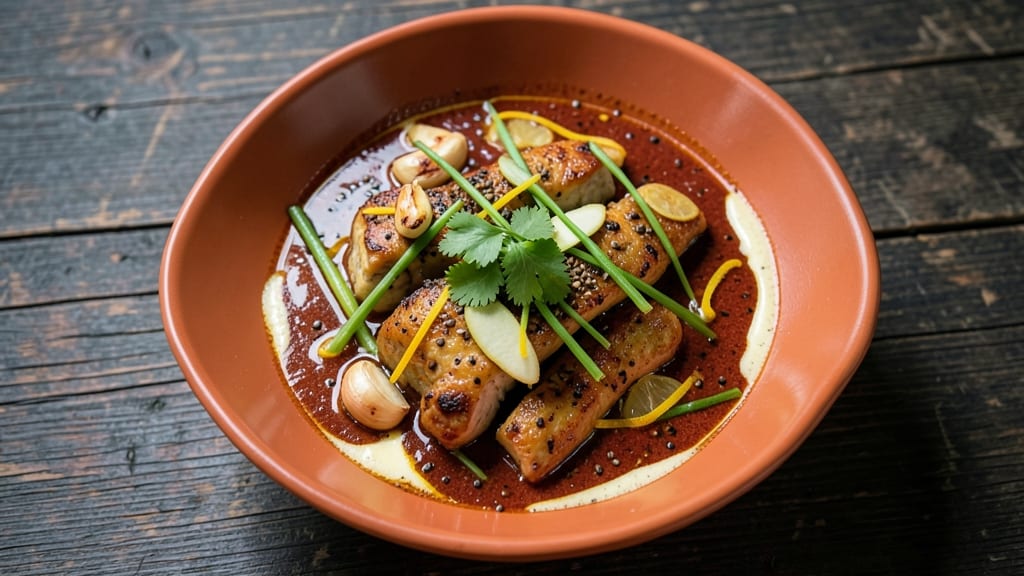
Balinese Chicken Curry brings the aromatic, spice-balanced flavors of Bali to your kitchen with just one pot. This recipe captures the essence of traditional Balinese cooking—fragrant lemongrass, creamy coconut milk, and a perfect balance of heat that lingers without overpowering. The secret lies in marinating the chicken with turmeric and galangal, allowing the spices to penetrate deeply before slow simmering in a rich, aromatic sauce.
The beauty of this curry is its simplicity: tender chicken, vibrant vegetables, and a sauce that's built layer by layer. Start with a fragrant paste of lemongrass, ginger, and garlic, then let the coconut milk and spices meld into a velvety, aromatic base.
The result is a dish that's deeply satisfying, with each bite offering a harmonious blend of sweet, spicy, and tangy flavors—just like the curries served in Bali's warungs.
By the time you serve this curry over steamed jasmine rice, you'll have a restaurant-quality meal that's rich in both flavor and tradition. The sauce clings to the chicken and vegetables, creating a cohesive, comforting dish that's perfect for weeknight dinners or special occasions.
Every element comes together in perfect balance, making this curry a standout addition to your repertoire.
Serve with fresh lime wedges and cilantro to brighten the dish, and don't forget the steamed rice—it's the perfect vessel for soaking up every drop of that fragrant, coconut-infused sauce. This recipe delivers the warmth and complexity of Balinese cuisine in a way that's approachable and foolproof for home cooks.
Ingredients for balinese chicken curry
Fragrant lemongrass, creamy coconut milk, and tender chicken—this curry delivers Bali's bold flavors in one pot.
| Ingredient | Amount | Notes |
|---|---|---|
| Boneless Chicken Thighs 🍗 | 1 ½ lb | Skin-on preferred, cut into bite-sized pieces |
| Fresh Lemongrass 🌿 | 1 stalk | Bruised and cut into 2-inch pieces |
| Fresh Galangal 🌿 | 1 piece | Substitute ginger if unavailable |
| Fresh Turmeric 🌿 | 1 inch | Or 1 tsp ground turmeric |
| Garlic Cloves 🧄 | 6 cloves | Minced, not pre-minced jarred |
| Fresh Ginger 🌿 | 1 inch | Peeled and sliced thinly |
| Coconut Milk 🥥 | 1 can (13.5 oz) | Full-fat for creaminess |
| Red Curry Paste 🌶️ | 2 tbsp | Store-bought or homemade |
| Fish Sauce 🍶 | 1 tbsp | Red Boat preferred |
| Brown Sugar 🍚 | 1 tbsp | Light or dark |
| Lime Juice 🍋 | 2 tbsp | Freshly squeezed |
| Fresh Cilantro 🌿 | ¼ cup | Chopped, for garnish |
| Jasmine Rice 🍚 | 1 ½ cups | Uncooked, for serving |
| Vegetable Oil 🫒 | 2 tbsp | For searing chicken |
| Salt 🧂 | 1 tsp | Kosher or sea salt |
Lemongrass is the heart of this curry—look for fresh stalks at Asian markets, not dried. Bruise the outer layers with the side of your knife to release the oils. Galangal can be tricky to find, but don't skip it—it's what gives authentic Balinese curry its unique kick. If you can't find it, extra ginger (double the amount) works in a pinch. The coconut milk needs to be full-fat for that velvety texture—Thai Kitchen brand is my go-to for consistency. For the curry paste, Maesri or Thai Kitchen are solid store-bought options if you're not making your own.
No fish sauce? Soy sauce or Worcestershire (check for anchovies if vegan) gets you close. Fresh turmeric is ideal, but ground turmeric at half the amount works if you're in a hurry. The brown sugar balances the heat—use light brown for subtle molasses notes. For extra depth, toast the coconut milk gently before adding it to the pot (just 2 minutes on low heat). The chicken thighs stay juicier than breasts, but bone-in, skin-on is absolutely essential for that restaurant-quality texture. If you're using chicken breast, pound it thin and cook it separately to avoid drying out.
This curry tastes even better the next day—make extra and reheat gently. Keeps for 4 days in the fridge or 3 months frozen. I always portion it into containers with rice so lunches are sorted for the week. For serving, lime wedges and extra cilantro are non-negotiable—they brighten up every bite. The rice should be steamed separately and served on the side, not mixed in. Trust me, the sauce is rich enough to stand alone.
Why You'll Love This Recipe
- One-Pot Magic: I swear by this recipe because it’s all in one pot—no chopping chaos, no extra bowls. Just toss in the chicken, crush the lemongrass and galangal (no need to peel the galangal skin, honestly), and let the spices do the work. That turmeric? It stains your hands, but the golden broth is worth it.
- Flavor Bomb: Between us, this curry hits different. The garlic and lemongrass sing together, while the galangal adds that peppery kick that’s almost like ginger but better. The chicken comes out tender with just a hint of crispy edges—exactly what you need when you’re craving something bold but not overly spicy.
- Weeknight to Dinner Party: I make this on Tuesdays, but it also works for guests. Serve it over rice with a side of steamed greens for a simple weeknight meal, or add a squeeze of lime and fresh cilantro to impress when company’s over. The leftovers? Even better the next day.
- Budget-Friendly Powerhouse: Chicken thighs are cheap, and the rest of the ingredients stretch far. A single stalk of lemongrass and a knob of galangal last me three batches, and the turmeric gives that gorgeous color without breaking the bank. Plus, it reheats like a dream—no dryness, just rich, aromatic goodness.
Step-by-step instructions for Balinese chicken curry
This vibrant curry delivers restaurant-quality flavor with minimal effort—let's bring Bali to your kitchen.
Prepare the Aromatics and Chicken
In a large pot, heat the 2 tablespoons vegetable oil over medium heat until shimmering. Add the 1.5 lb boneless chicken thighs (cut into bite-sized pieces) and cook for 5 minutes, turning occasionally, until lightly browned on all sides. This initial sear locks in juices and builds deep flavor.
Remove the chicken and set aside. In the same pot, add the 1 stalk fresh lemongrass (bruised and cut), 1 piece fresh galangal (peeled and sliced), 1 inch fresh turmeric (peeled and sliced), 6 cloves garlic cloves (minced), and 1 inch fresh ginger (peeled and sliced). Sauté for 3-4 minutes until fragrant and the galangal begins to soften—this releases their essential oils that form the curry's aromatic base.
Build the Curry Base
Add the 2 tablespoons red curry paste and stir vigorously for 1 minute until it darkens slightly and the raw taste disappears. This step develops the curry's signature depth. Pour in the 1 can (13.5 oz) coconut milk, scraping up any browned bits from the bottom of the pot—those flavorful bits are pure magic.
Bring the mixture to a gentle simmer, then reduce heat to low. Stir in the 1 tablespoon fish sauce and 1 tablespoon brown sugar, letting it cook for 5 minutes while the flavors meld. You'll notice the coconut milk separate slightly—this is normal and will blend back together as it cooks.
Simmer the Chicken to Perfection
Return the chicken to the pot and spoon the sauce over it to coat completely. Add 1 teaspoon salt and bring to a gentle simmer. Cover and cook for 25-30 minutes, stirring occasionally, until the chicken is tender and the sauce has thickened to a velvety consistency. The curry should coat the back of a spoon with a glossy sheen.
Here's the thing—don't rush this step. The longer the chicken simmers, the more flavor it absorbs from the coconut milk and spices. If the sauce reduces too much before the chicken is done, add 2-3 tablespoons water to maintain the right consistency.
Finish with Lime and Garnish
Once the chicken is fully cooked (it should pull away from the bone easily), stir in the 2 tablespoons lime juice. This bright citrus note cuts through the richness of the coconut milk, balancing the dish perfectly. Taste and adjust seasoning—you might need a touch more fish sauce for saltiness or brown sugar for sweetness.
Remove from heat and let the curry sit for 5 minutes to thicken slightly. Garnish with the 0.25 cup fresh cilantro just before serving. The vibrant green not only looks beautiful but adds a fresh herbal note that complements the rich curry.
Serve with Jasmine Rice
While the curry rests, cook the 1.5 cups jasmine rice according to package instructions—it should be fluffy and separate when done. Serve the curry hot over the rice, letting each bite deliver that perfect balance of spicy, sweet, and creamy flavors. The rice soaks up the delicious sauce beautifully, making every mouthful satisfying.
This curry tastes even better the next day as the flavors continue to develop, so make extra if you can. The aromatic lemongrass and galangal infuse the coconut milk with layers of complexity that you just can't get from a jarred sauce.
Pro Tips For Making Balinese Chicken Curry
- Blister the Garlic: Sear those garlic cloves whole in the same oil you brown the chicken—just until they’re deep golden and popping. I used to mince it like I do for stir-fries, but charring whole cloves adds a nutty depth that cuts through the heat of galangal and turmeric. (Yes, even if you’re impatient like me.)
- Pound, Don’t Slice, Galangal: Skip the knife for galangal—wrap it in plastic and bash it with a meat mallet until it’s a mushy paste. Slicing releases bitter juices; pounding keeps the flavor concentrated and smooth. My grandmother swore by this, and she was right: the curry actually tastes like Bali, not like a sad imitation.
- Simmer Low and Slow: Once the chicken is cooked through, drop the heat to a bare simmer and let it stew for 20 minutes. Rushing this step means a thin, watery curry—low heat lets the lemongrass and turmeric infuse properly while keeping the chicken tender. (Your future self will thank you.)
- Reserve the Chicken Fat: After browning the thighs, skim off the rendered fat and set it aside—you’ll need about 2 tablespoons to finish the curry. It’s the secret to a glossy, rich sauce that clings to the chicken instead of pooling at the bottom. (Does it look weird? Yes. Does it work? Every single time.)
Serving suggestions for this recipe
Rice Pairings
Steamed jasmine rice is the classic choice—its delicate, floral aroma complements the curry's bold flavors perfectly. Use a 1:2 ratio of curry to rice (about 1.5 cups uncooked rice for 4 servings).
For extra authenticity, try black jasmine rice—its deep color and nutty taste add visual drama and depth. 🍚
If you prefer texture contrast, serve with toasted coconut rice: Stir 2 tbsp toasted coconut flakes into the cooked rice before serving. For a heartier meal, swap in brown rice—it takes longer to cook but adds a satisfying chew.
Always cook rice separately to avoid a mushy texture when mixed with the curry.
Garnish Essentials
Finish with fresh lime wedges—their bright acidity cuts through the richness. I squeeze 1 lime wedge over each serving just before eating. Chopped cilantro adds freshness, so use about 2 tbsp per bowl.
For a smoky touch, sprinkle toasted shallots (sauté 1 sliced shallot in oil until golden) over the top. 🌿
Side Dish Harmony
Add blanched bok choy or steamed green beans for a crisp, fresh element. Toss 1 lb green beans with 1 tbsp sesame oil and 1 tsp soy sauce before steaming for 3 minutes.
A simple mango salad (diced mango, red onion, lime juice) balances the heat with sweetness. For a protein boost, serve with crispy fried shallots on the side.
Beverage Pairings
Sip on jasmine tea—its floral notes mirror the rice and enhance the curry's aromatics. For something stronger, try Thai iced tea (sweet and creamy) or a light lager like Singha to cleanse the palate.
Avoid heavy wines; their tannins clash with the coconut and spices. A sparkling lime soda (like San Pellegrino Limonata) adds a refreshing contrast. 🍺
Presentation Tips
Serve the curry in individual bowls with rice piled high on the side. Drizzle extra sauce over the rice for visual appeal. Use small metal bowls for garnishes (lime, cilantro, shallots) to keep everything organized.
For a restaurant-style touch, add a sprig of Thai basil or lemongrass stalk as a decorative element. The goal is to make it look as inviting as it tastes! ✨
Nutrition facts
Frequently asked questions
Why does this curry need galangal if ginger works in most recipes?
Galangal gives authentic Balinese curry its signature peppery, citrusy depth that ginger simply can't replicate. While ginger adds warmth, galangal provides a unique floral-pine aroma that's essential for that restaurant-quality taste. Use double the ginger if substituting, but you'll notice the difference in complexity.
Can I make this curry less spicy for kids?
Reduce the curry paste to 1 tablespoon instead of 2, and omit the galangal (using extra ginger). For extra mildness, add 1 more tablespoon brown sugar to balance any remaining heat. Serve with extra rice to dilute the sauce further if needed.
What's the best way to store leftovers?
Let the curry cool completely, then store in an airtight container for up to 4 days in the fridge. For freezing, portion into meal-sized containers with rice—it reheats beautifully! Thaw overnight in the fridge, then warm gently on low heat with a splash of water to restore creaminess.
Why does my coconut milk separate when cooking?
This is completely normal! The coconut milk's natural oils separate when heated, but they'll re-emulsify as it simmers. Keep stirring occasionally and don't let it boil vigorously. If it doesn't blend back, whisk in 1 tablespoon cold water to help restore the creamy texture.
Can I use chicken breast instead of thighs?
Only if you pound it to ¼-inch thickness and cook it separately for 10-12 minutes until just done. Chicken breast dries out in curry sauces, so thighs are ideal for their fat content which keeps everything moist. For best results, use bone-in thighs—they stay juicier during long simmering.