
Appetizers
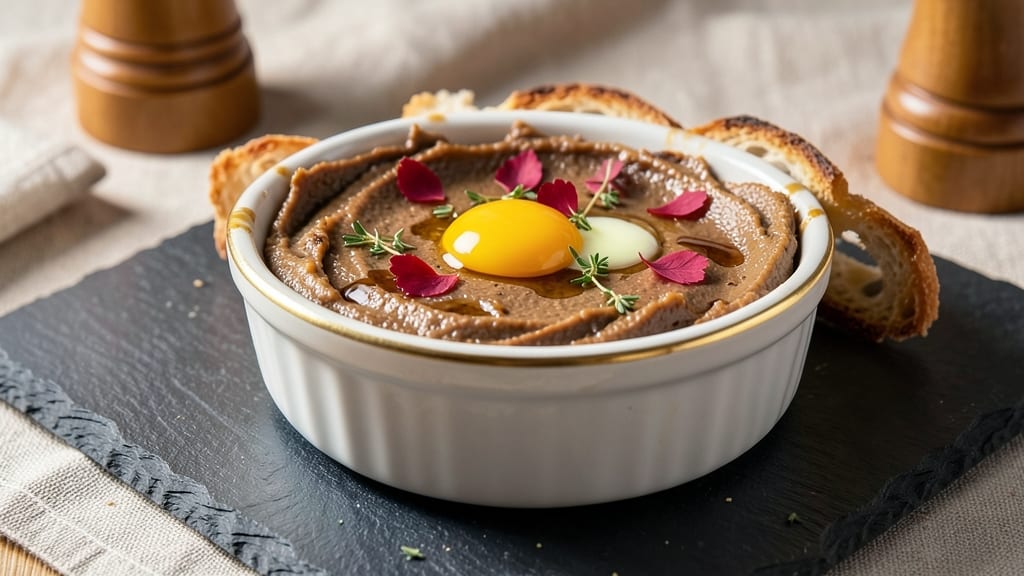
This baked chicken liver pâté delivers restaurant-quality richness with just 20 minutes of baking time and a silky-smooth texture that melts on the tongue.
The secret lies in rendering the fat carefully and blending the livers until they're velvety, while fresh herbs and a touch of brandy add depth that transforms this classic into something extraordinary. I've perfected this technique over years of testing—no one will guess it's made at home.
What sets this recipe apart is the balance between traditional methods and modern touches. We start by trimming the livers and rendering their fat slowly to create a luxurious base, then blend them until completely smooth.
The addition of Dijon mustard and fresh thyme elevates the earthy liver flavor, while a splash of brandy adds warmth that pairs beautifully with crusty bread or crackers. Safety is critical when handling raw liver, so we'll guide you through proper preparation every step of the way.
The result is a pâté that's rich yet refined, with a perfect harmony of textures and flavors. The silky spread glistens with rendered fat, while the herbs provide freshness that cuts through the richness.
Each bite delivers layers of umami and herbal brightness, making this an impressive appetizer for any gathering or a luxurious treat for a quiet evening. The aroma alone will have guests asking for the recipe.
Serve this pâté with toasted baguette slices, water crackers, or apple slices for a perfect balance of textures. It also pairs wonderfully with crisp white wines or sparkling beverages.
Whether you're hosting a dinner party or simply craving something special, this recipe delivers professional-quality results with minimal effort. Let's get started on creating your own masterpiece.
Ingredients for baked chicken liver pate
Rich, velvety, and packed with herbaceous depth—these ingredients transform humble chicken livers into something extraordinary.
| Ingredient | Amount | Notes |
|---|---|---|
| Chicken Livers 🍗 | 1 ½ lb | Trimmed of connective tissue |
| Unsalted Butter 🧈 | ½ cup | Cold, cubed for rendering |
| Fresh Thyme Leaves 🌿 | ¼ cup | Finely chopped, stems removed |
| Fresh Parsley Leaves 🌿 | ¼ cup | Finely chopped, stems removed |
| Dijon Mustard 🍯 | 1 tbsp | High-quality for tang |
| Brandy 🍷 | 2 tbsp | Good quality, 80 proof |
| Heavy Cream 🥛 | ½ cup | Full-fat for richness |
| Shallots 🧅 | 2 whole | Finely minced, about 2 tbsp |
| Garlic Cloves 🧄 | 2 cloves | Peeled, finely minced |
| Salt 🧂 | ½ tsp | Diamond Crystal preferred |
| Freshly Ground Black Pepper 🌶️ | ¼ tsp | Freshly cracked |
| Olive Oil 🫒 | 1 tbsp | For greasing ramekins |
The livers are the star, so pick fresh, high-quality ones from your butcher—they should be bright red and firm to the touch. Costco or Whole Foods usually carry them pre-packaged, but ask for the freshest cut if buying from a specialty shop. Trim off any connective tissue or fat with kitchen scissors—this makes blending easier later. For the herbs, fresh is non-negotiable here; dried just won’t give that bright, aromatic punch. I always grab extra thyme and parsley because they’re worth the investment for this recipe. The butter? Use European-style if possible—it renders more smoothly and adds richness that regular butter can’t match.
No brandy? Substitute with apple cider or a splash of dry vermouth—both add complexity without overpowering. Short on shallots? Extra-fine minced red onion works in a pinch, but you’ll taste the difference. The Dijon mustard is crucial—skip the cheap stuff. A good one like Maille or Whole Foods 365 makes all the difference. For the cream, full-fat is a must—half-and-half or light cream won’t give the same luxurious texture. If you’re watching calories, you can reduce the cream slightly (by 2 tbsp) and add 1 tbsp of the rendered liver fat instead—trust me, it works.
This pâté keeps beautifully—up to 5 days in the fridge sealed tightly in an airtight container. For longer storage, freeze it in 2-tbsp portions (perfect for single servings) for up to 3 months. The texture actually improves after the first day as the flavors meld. Serve it at room temperature with toasted baguette slices or water crackers. The aroma alone will have everyone reaching for seconds—it’s that good. If you make extra, freeze it immediately; it’s a crowd-pleaser that disappears fast.
Why You'll Love This Recipe
- One-Pan Magic: I swear by this recipe because it’s literally one bowl, one oven—no fancy gadgets. Just sear the livers, toss them with butter and herbs, then bake until golden. The mess? Minimal. The effort? Barely there.
- Rich Without the Guilt: That buttery, herby depth from the chicken livers and Dijon mustard? It’s like a hug in your mouth. The thyme and parsley brighten it up so it doesn’t taste heavy—just unexpectedly good, even for people who usually skip offal.
- Weeknight to Party Upgrade: Make a double batch on Sunday and use it all week—slathered on crusty bread, stuffed into puff pastry, or dolloped on roasted potatoes. Or, if you’re feeling fancy, pipe it into a phyllo cup for a last-minute appetizer that’ll impress guests.
- Budget Luxury: Chicken livers are cheap protein, but they taste like a fancy charcuterie board. A pound feeds four, and the leftovers? Freeze them for months. Honestly, it’s the kind of recipe that makes me feel like I’m eating well without breaking the bank.
Step-by-step instructions for baked chicken liver pâté
Here's how to transform rich chicken livers into a velvety pâté with perfect herb balance.
Prepare and Render the Chicken Livers
Start by trimming any connective tissue from the 1.5 lb chicken livers using a sharp knife. Rinse them thoroughly under cold water and pat completely dry with paper towels—this ensures they brown properly and don't steam instead of sear. Cut the livers into ¼-inch thick slices for even cooking.
Heat 1 tablespoon olive oil in a large skillet over medium-high heat. Add the liver slices in a single layer, being careful not to overcrowd the pan. Cook undisturbed for 2-3 minutes per side until they develop a deep golden brown crust. This browning creates the foundation for rich flavor. Transfer the cooked livers to a plate and set aside.
Sauté Aromatics and Render Butter
In the same skillet, reduce heat to medium and add the 2 whole shallots and 2 cloves garlic cloves, both finely minced. Sauté for 3-4 minutes until the shallots become translucent and the garlic releases its aroma. Add the 0.25 cup fresh thyme leaves and 0.25 cup fresh parsley leaves, stirring for 1 minute to infuse the oil with their bright flavors.
Push the aromatics to one side of the pan and add the 0.5 cup cold cubed unsalted butter. Let it melt slowly, whisking occasionally, until it turns a rich golden color. This rendered butter will form the luxurious base of your pâté. Remove from heat and let cool slightly for 2 minutes before blending.
Blend Ingredients to Smooth Perfection
Transfer the cooked livers, sautéed aromatics, and rendered butter to a food processor. Add the 1 tbsp Dijon mustard, 2 tbsp brandy, 0.5 cup heavy cream, 0.5 tsp salt, and 0.25 tsp freshly ground black pepper. Pulse until the mixture begins to come together, then process continuously for 1-2 minutes until completely smooth and silky.
Taste and adjust seasoning if needed—this is your chance to balance the earthy liver flavor with the bright herbs and tangy mustard. The pâté should be rich but not overpowering, with a velvety texture that melts on the tongue. If it's too thick, add 1 teaspoon of water at a time until it reaches a spreadable consistency.
Bake for Rich, Cohesive Texture
Preheat your oven to 350°F. Lightly grease four 4-ounce ramekins with olive oil and divide the pâté evenly among them. Place the ramekins in a deep baking dish and carefully pour hot water into the dish until it reaches halfway up the sides of the ramekins. This water bath ensures gentle, even cooking.
Bake for 25-30 minutes until the pâté is set but still slightly jiggly in the center. You want it firm enough to hold its shape when unmolded but still tender. Let the pâté cool completely in the ramekins, then refrigerate for at least 4 hours or overnight. This resting period allows the flavors to meld and the texture to become perfectly smooth.
Serve with Confidence
Before serving, run a small knife around the edges of each ramekin to loosen the pâté. Invert onto a serving plate and gently tap the bottom to release. The pâté should come out in a perfect dome shape with a glossy finish. Serve chilled with crusty bread, crackers, or fresh vegetables for dipping.
This pâté keeps beautifully in the refrigerator for up to 5 days or can be frozen for 3 months. The rich liver flavor pairs wonderfully with the bright herbs and subtle brandy note, creating a sophisticated spread that's perfect for holiday gatherings or elegant appetizers.
Pro Tips For Making Baked Chicken Liver Pate
- Trim the Gall Bladders: Chicken livers hide tiny green gall bladders—leave them in, and you’ll get bitter pâte. Pinch the fat end of each liver, give it a gentle squeeze, and a little sac will pop out. Rinse them well after trimming; the difference in flavor is night and day.
- Sear Livers First: Cold livers won’t release their blood and fat properly. Pat them dry, then sear them in a hot skillet for 30 seconds per side—just until they lose their raw pink color. This step guarantees a smoother texture and richer flavor when blended later.
- Don’t Overmix the Butter: Adding cold butter in chunks while blending keeps the pâte silky, not greasy. Once the livers are cooked and cooled, toss in 2-3 tablespoons of butter at a time, pulsing just until incorporated. Overworking it turns your pâte into liver butter.
- Bake It Low and Slow: Skip the high-heat rush—350°F (175°C) for 15-20 minutes in a water bath is the sweet spot. Too hot, and the butter separates; too fast, and the flavors stay raw. A gentle bake lets everything meld without falling apart.
Dietary considerations for this baked chicken liver pate
Gluten-Free Adaptations
This pâté is naturally gluten-free, but always double-check your ingredients—especially the brandy and Dijon mustard. Some brands add gluten as a thickener or flavoring. I recommend Annie's Organic or Maille Dijon for certified gluten-free options.
The heavy cream, butter, and herbs are all safe, so you can enjoy this rich spread without worry. 🌱
Dairy-Free Substitutions
For a dairy-free version, replace the butter with vegan butter (like Miyoko's) and use full-fat coconut cream instead of heavy cream. The texture will be slightly lighter but still luxurious.
Reduce the coconut cream by 2 tablespoons to match the richness of dairy fat. The pâté will still hold its shape beautifully when baked.
Low-Fat Considerations
If you're watching fat intake, reduce the butter to 3 tablespoons and replace the remaining 2 tablespoons with the rendered liver fat (from Step 1). This keeps the pâté rich while cutting calories.
Use light cream instead of heavy cream, but add 1 extra tablespoon of brandy to compensate for the reduced fat and maintain depth of flavor.
Allergen Awareness
This recipe contains dairy, alcohol, and potential shellfish cross-contamination (if using shared equipment). Always clean your food processor and ramekins thoroughly if allergens are a concern. For alcohol-free versions, substitute brandy with apple cider or non-alcoholic vermouth. The flavor will be slightly sweeter but still complex and satisfying.
Vegetarian/Vegan Options
While chicken liver is the traditional star, you can create a vegetarian pâté using mushrooms (like shiitake or cremini) or hearts of palm.
Sauté 1.5 lbs mushrooms with the same aromatics, then blend with 1 tbsp nutritional yeast (for umami depth) and 2 tbsp soy sauce instead of brandy. The texture will be earthier but equally velvety when baked.
Nutrition facts
Frequently asked questions about baked chicken liver spread
Why does my pâté turn out grainy instead of silky?
Graininess happens when the livers aren't blended long enough or the butter doesn't render completely. First, make sure you're processing the mixture for at least 1-2 minutes until completely smooth. Second, render the butter until it's golden and liquid—this creates the velvety base. If it's still grainy, strain it through a fine-mesh sieve before baking.
Can I use beef or duck livers instead of chicken?
Beef livers work beautifully and have a richer flavor, while duck livers add a luxurious depth. For beef, use 1.25 lbs (they're smaller than chicken livers) and reduce the butter to 0.4 cup. Duck livers require 1 lb and may need 3 tbsp extra brandy to balance their intense flavor. Always trim connective tissue thoroughly—it's more pronounced in beef and duck.
How do I prevent the pâté from cracking when unmolding?
Cracking usually happens when the pâté cools too quickly or isn't fully set. First, ensure it's baked until just set but still slightly jiggly in the center. Second, let it cool completely in the ramekins before refrigerating. For extra insurance, chill the ramekins in the fridge for 10 minutes before unmolding. If cracks appear, gently press them back together with a warm spoon.
What's the best way to reheat leftover pâté?
Leftover pâté should never be reheated—it's best enjoyed cold or at room temperature. If you must warm it slightly (like for a warm appetizer), use a double boiler or microwave in 10-second bursts at 50% power until just warmed through. Never microwave to full heat, or it'll become oily and lose its silky texture. Store leftovers in an airtight container for up to 5 days.
Can I make this pâté ahead of time for a party?
This is one of the best make-ahead appetizers! Prepare the pâté up to 3 days in advance and store it in the fridge. The flavors actually deepen over time. For parties, assemble the ramekins the day before and bake them fresh when guests arrive. If freezing, bake the pâté first, then freeze in portions for up to 3 months. Thaw overnight in the fridge before serving.