
Main Courses
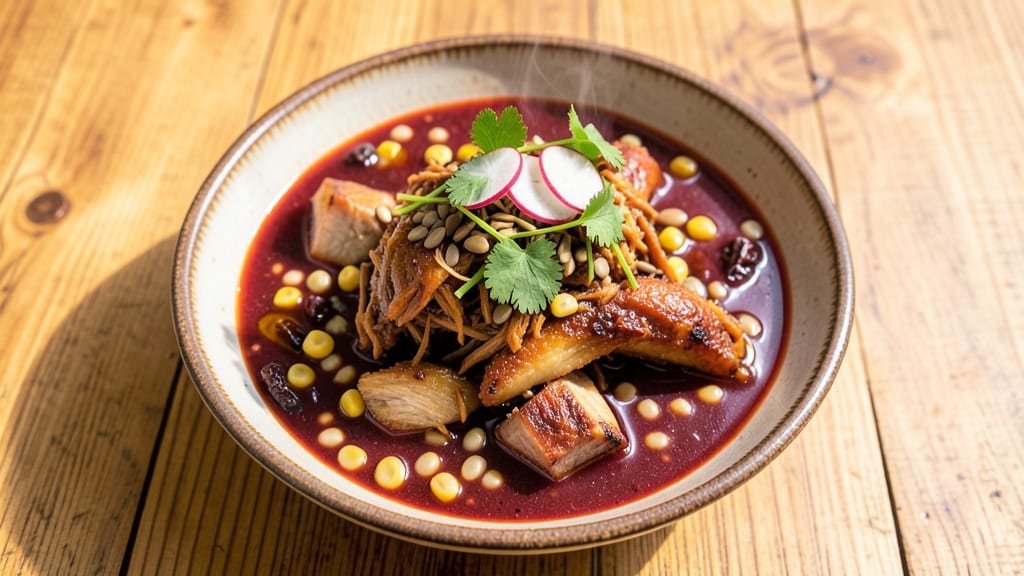
This authentic red chicken pozole recipe delivers the smoky, spicy depth of Mexican tradition in one comforting pot. The secret lies in toasting dried chilies and spices until fragrant—this step unlocks layers of flavor that store-bought blends can't replicate.
I've perfected this version after years of testing, ensuring the broth balances heat, earthiness, and savory richness without overpowering the tender chicken and hominy.
What sets this pozole apart is the slow-simmered broth, where chicken and pork infuse with ancho and guajillo chilies until the meat falls apart. Traditional techniques like charring corn for hominy and toasting spices create authentic texture and aroma.
The result? A hearty, restaurant-quality stew that feeds a crowd and tastes even better the next day.
The final touches—fresh garnishes of radishes, cilantro, and lime—brighten each bowl with crispness and acidity. Serve with warm tortillas and avocado slices for the full experience. This isn't just pozole; it's a celebration of Mexican home cooking that delivers professional results with simple, time-honored methods.
Ready in about 2 hours (mostly hands-off simmering), this recipe transforms a weeknight into a fiesta. The key is patience—the longer the broth simmers, the deeper the flavors develop. Trust the process, and you'll have a pot of pozole so authentic, even your favorite taquería will ask for the recipe.
Ingredients for authentic red chicken pozole
Sixteen ingredients transform into a smoky, spicy Mexican fiesta in one pot.
| Ingredient | Amount | Notes |
|---|---|---|
| Chicken Thighs 🍗 | 3 lb | Bone-in, skin-on preferred |
| Pork Shoulder 🐖 | 1 ½ lb | Cut into 2-inch chunks |
| Dried Ancho Chilies 🌶️ | 6 whole | Stems and seeds removed |
| Dried Guajillo Chilies 🌶️ | 4 whole | Stems and seeds removed |
| White Hominy 🌽 | 2 cups | Canned, drained and rinsed |
| Yellow Corn 🌽 | 1 cup | Fresh or frozen kernels |
| White Onions 🧅 | 3 whole | 1 large diced, 2 quartered |
| Garlic Cloves 🧄 | 8 cloves | Peeled, smashed |
| Ground Cumin 🌿 | 2 tbsp | Toasted for depth |
| Mexican Oregano 🍃 | 1 tbsp | Dried, not regular oregano |
| Bay Leaves 🌿 | 2 whole | Fresh preferred |
| Salt 🧂 | 2 tbsp | Kosher or sea salt |
| Black Peppercorns 🌶️ | 1 tsp | Freshly cracked |
| Fresh Limes 🍋 | 4 whole | Juiced, zest reserved |
| Fresh Cilantro 🌿 | 1 cup | Chopped, for garnish |
| White Radishes 🥕 | 1 lb | Thinly sliced, for garnish |
| Avocados 🥑 | 2 whole | Sliced, for serving |
| Flour Tortillas 🍞 | 12 whole | Warm, for serving |
The chilies are non-negotiable—La Costeña or Gourmet Mexicana brands are my go-to for ancho and guajillo. Look for vibrant, slightly wrinkled chilies with no mold. Toasting them over an open flame (or under a broiler) until fragrant unlocks their full depth. Mexican markets often carry pre-stemmed varieties, but if you're buying whole, remove stems and seeds yourself. The pork shoulder is the secret weapon here—it melts into the broth, creating that unctuous texture that makes pozole sing. Grab it from the butcher counter if possible; pre-cut chunks often have more fat. For the hominy, Buitoni or La Costeña cans are the gold standard—avoid the store brand unless you're desperate.
No ancho chilies? Pasilla or chipotle in adobo can stand in, but adjust the heat level accordingly. Running short on pork? Extra chicken thighs or even chicken feet (if you're feeling adventurous) add collagen-rich depth. The corn can be fresh, frozen, or even a splash of cornstarch slurry if you're using canned hominy for extra body. For the garnishes, radishes from the produce section (not the pre-sliced kind) hold their crunch best. The cilantro? Fresh is a must—dried just won't cut it here. Lime juice is your acid balance; Mexican key limes have more punch than regular limes, but whatever you've got works. Want to skip the avocado? Extra lime wedges and a sprinkle of Tajín add that same bright contrast.
This broth gets better with time—3-4 days in the fridge is ideal if you can wait. The flavors meld into this incredible harmony that just doesn't happen overnight. Store it in a large, airtight container with a layer of fat on top to preserve freshness. Freezes beautifully for up to 3 months—just thaw in the fridge and reheat gently. The garnishes are best added fresh when serving, but you can prep the radishes and avocado ahead (just add lime juice to prevent browning). Tortillas? Warm them in a dry skillet for 30 seconds each—no butter needed, trust me on this.
Why You'll Love This Recipe
- No-Fuss Simmer: I swear by the slow cooker method here—just dump in the chicken thighs, pork shoulder, and soaked hominy with the rehydrated ancho-guajillo blend, then let it do its thing. Honestly, the hardest part is remembering to stir it once.
- Deep, Smoky Magic: That combo of toasted dried chilies and pork shoulder? It builds layers of flavor you won’t find in any other pozole. The hominy soaks up all the richness while keeping that satisfying chew—like a hug in a bowl.
- Crowd-Pleaser Flex: Between us, this feeds 8-10 easily, and the leftovers? Even better the next day. I’ve served it at birthday parties, game days, and lazy Sundays—no one ever asks what’s in it, they just keep coming back.
- Budget-Buster Winner: Chicken thighs and pork shoulder stretch for miles, and dried chilies last forever. I’ve made this for under $15 per serving—better than takeout, and way more impressive. Plus, the hominy adds that premium texture without breaking the bank.
Step-by-step instructions for authentic red chicken pozole
Here's how to build that perfect smoky, spiced broth with tender meats and hominy—just like in Mexico.
Prepare the Chili Paste and Toast the Spices
Start by toasting the 2 tablespoons ground cumin and 1 tablespoon Mexican oregano in a dry skillet over medium heat for 2 minutes until fragrant. This deepens their flavors—don't skip it. While they toast, soak the 6 whole dried ancho chilies and 4 whole dried guajillo chilies in a bowl of hot water for 15 minutes to soften.
Drain the chilies and transfer them to a blender with 1 large diced white onion and 8 smashed garlic cloves. Pulse until you get a smooth, thick paste—this is the soul of your pozole. Set aside; you'll add it to the broth later. The toasted spices and chili paste will give that authentic, complex smokiness that sets this apart from basic versions.
Brown the Meats for Rich Flavor
In a large Dutch oven, sear the 3 lb chicken thighs and 1.5 lb pork shoulder over medium-high heat until deeply browned on all sides—about 8-10 minutes total. This step is crucial; it builds layers of flavor through the Maillard reaction. Once browned, remove the meats and set them aside. In the same pot, add 2 tablespoons salt, 1 teaspoon freshly cracked black peppercorns, and the 2 toasted bay leaves. Stir for 30 seconds to toast the spices slightly.
Here's the thing—if your meats aren't browned, your pozole will taste flat. Don't rush this; let the pork and chicken develop that caramelized crust. The salt and pepper will help draw out the juices as they simmer.
Build the Smoky Broth
Pour in 8 cups water (enough to cover the meats by about 2 inches) and bring to a rolling boil. Once boiling, reduce heat to low and add the chili paste. Stir well to distribute it evenly. The broth should turn a deep, rich red color—this is your signal that the chilies are infusing properly.
Return the meats to the pot, add the 2 quartered white onions, and simmer uncovered for 1 hour. Skim off any foam that rises to the surface during the first 15 minutes—this keeps the broth clear. The meats should be tender but not falling apart yet. The onions will sweeten the broth as they cook down.
Add Hominy and Corn for Texture
Drain and rinse the 2 cups white hominy and 1 cup yellow corn under cold water. Add them to the pot along with the 2 cups drained hominy and 1 cup yellow corn. Simmer for another 30-40 minutes until the meats are fork-tender and the hominy is fully heated through. The hominy should be soft but still hold its shape—if it breaks apart, it's overcooked.
Taste the broth and adjust seasoning with more salt if needed. The hominy and corn should absorb some of the broth, creating that perfect hearty texture. If the broth is too thin, let it reduce uncovered for another 5-10 minutes—just don't let it boil dry.
Serve with Traditional Garnishes
Remove the chicken and pork from the broth and shred the meat using two forks. Return it to the pot and let it heat through for 5 minutes. To serve, ladle the pozole into bowls and top with sliced white radishes, chopped fresh cilantro, and lime wedges. Serve with warm flour tortillas on the side for scooping.
For extra authenticity, add a few slices of avocado and a sprinkle of lime zest on top. The radishes add a crisp contrast to the rich broth, while the lime brightens everything up. Each bowl should be a balance of smoky, spicy, and tangy—just like a proper pozole gathering in Mexico.
Pro Tips For Making Authentic Red Chicken Pozole
- Brown the Meat First: Don’t skip this step—sear those chicken thighs and pork shoulder until they’re deep golden, even if it takes 10 minutes. I used to rush it, and the broth never had that rich, caramelized depth that makes pozole sing. High heat. Seriously, crank it up until you smell it.
- Toast Chiles Properly: Dry toast your ancho and guajillo chilies in a skillet over medium heat for 30 seconds per side—just until fragrant, not blackened. I learned this the hard way: burnt chilies turn the broth bitter, and you’ll taste it in every spoonful. Watch them like a hawk.
- Parboil the Hominy: Soak the hominy overnight, then give it a quick 5-minute parboil in salted water before adding it to the pozole. This cuts down on cooking time later and keeps those kernels tender, not mushy. (Yes, even if you’re impatient like me.)
- Simmer Low and Long: After the initial boil, drop the heat to a bare simmer—just enough to keep tiny bubbles breaking the surface. I used to let it rage, and the broth turned cloudy. Patience here guarantees a clear, velvety sauce that clings to every bite. —I know, I know, but trust the process.
Troubleshooting this recipe
Broth Too Thin?
If your pozole broth looks watery after simmering, don't panic. The fix is simple: reduce it! After adding hominy and corn, simmer uncovered for 10-15 extra minutes—this evaporates excess liquid while concentrating flavors.
For deeper richness, skim off any surface fat (except the top layer) and stir in 1 tablespoon cornstarch mixed with 2 tablespoons cold water. Simmer 2-3 minutes more until slightly thickened. 🌡️
Meat Not Tender?
Undercooked meat ruins pozole, but you can salvage it. If chicken or pork feels tough after 1.5 hours, remove it and shred with two forks. Return to the pot and simmer additional 30 minutes with ½ cup extra broth or water.
For extra tenderness, add 1 bay leaf and 1 tsp cumin to the broth. The spices will help break down fibers. Avoid high heat—gentle simmering prevents drying.
Chili Paste Too Bitter?
If your chili paste tastes overly bitter, you likely over-toasted the chilies. The fix: balance it with sweetness. Add 1 diced white onion and 1 small apple or potato (peeled and chopped) to the broth while simmering.
These ingredients naturally counteract bitterness. For future batches, toast chilies just until fragrant—30-45 seconds per side—not charred. 🌶️
Hominy Too Soft?
Overcooked hominy turns mushy, ruining texture. If yours is too soft, drain it immediately and replace with ½ cup fresh or frozen corn (no need to rinse). For next time, add hominy only 20-30 minutes before serving.
Keep the broth hot but don't boil vigorously—gentle simmering preserves texture. If using canned hominy, choose Buitoni or La Costeña brands; they hold up better than store brands.
Broth Too Spicy?
Adjust heat by adding ½ cup sour cream or Mexican crema to each bowl before serving. For a smoother broth, strain it through a fine-mesh sieve after simmering (discard solids). To prevent excessive heat next time, reduce guajillo chilies to 2-3 and increase ancho to 8.
Their smoky sweetness balances spice naturally. Always taste the broth before adding hominy—this is your best quality check. 💛
Garnishes Wilted?
Fresh garnishes should add crunch, not sog. Add radishes, cilantro, and avocado right before serving—never to the pot. For extra protection, toss radishes with 1 tsp lime juice before slicing. Store garnishes separately in airtight containers in the fridge for up to 2 days.
Keep lime wedges in a sealed bag with a paper towel to prevent drying. The key is timing: garnish immediately after ladling pozole into bowls.
Nutrition facts
Frequently asked questions
Can I substitute pork with beef for this pozole?
While beef works in a pinch, it won't give you that authentic Mexican flavor profile. Pork shoulder adds fat and collagen that creates the rich, unctuous texture traditional pozole needs. If you must use beef, try chuck roast (cut into chunks) and add 1 extra bay leaf to compensate for the different fat content. The broth will be heartier but slightly less tender than with pork.
How do I make this pozole vegetarian?
Replace the chicken and pork with 1 lb mushrooms (like oyster or shiitake) and 1 block firm tofu (pressed and cubed). Use the same cooking time but add 1 extra tablespoon cumin and 1 teaspoon smoked paprika to enhance depth. For protein, include 1 cup cooked lentils or 1 block seitan. The broth will still be delicious, though the texture will differ from traditional versions.
Can I make pozole in a slow cooker? Brown the meats in a skillet first, then transfer everything to the slow cooker. Use 10 cups water instead of 8 and cook on low for 6-8 hours (high for 4-5 hours). The slow cooker's gentle heat helps tenderize the meats perfectly. Just
What's the best way to reheat pozole?
Reheat pozole gently on the stove over low heat—never microwave it directly. Add ¼ cup water or broth per quart to prevent drying. For leftovers, store in an airtight container in the fridge for up to 4 days or freeze for 3 months. When reheating from frozen, thaw overnight in the fridge first, then warm through. The flavors actually improve after refrigeration!
Why does my pozole taste bland compared to restaurant versions?
Restaurant pozole often uses chicken feet or pork rinds for extra collagen and umami. For deeper flavor, add 1 chicken foot (simmered separately) or ½ cup chicken stock instead of water. Also, toast your spices longer (up to 3 minutes) and let the broth reduce uncovered for 10 extra minutes at the end. The key is patience—restaurant versions simmer for hours!