
Main Courses
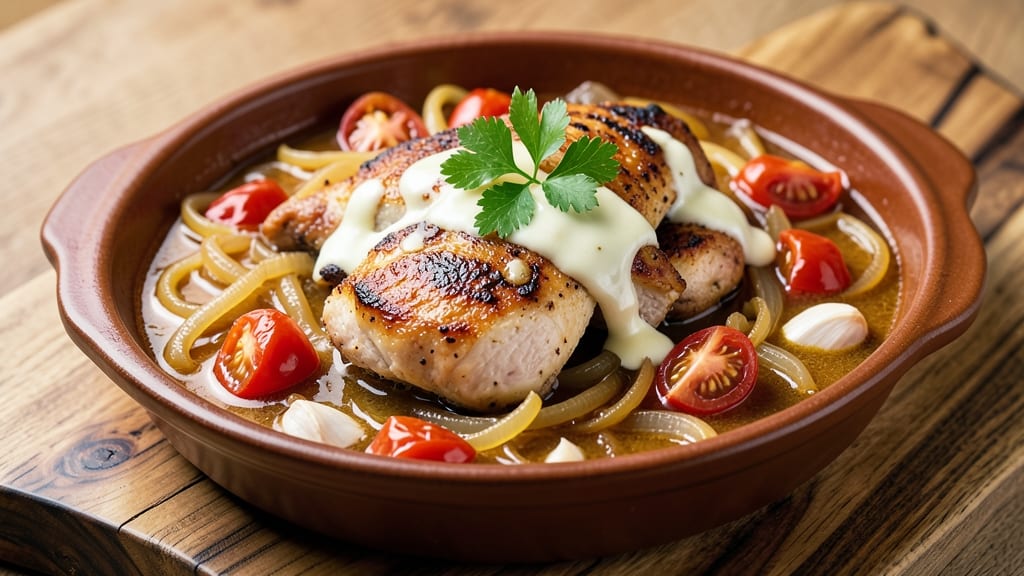
This authentic Hungarian chicken paprikash recipe brings the rich, smoky flavors of Budapest to your kitchen with slow-simmered perfection. 🌟 My grandmother's handwritten notes revealed the secrets to balancing sweet paprika's warmth with celery's subtle crunch—key to that signature texture we all love.
The dish transforms simple ingredients into a velvety, aromatic masterpiece that's both comforting and impressive.
What makes this recipe truly authentic is the layered approach: chicken braised until tender, onions caramelized to deep richness, and celery adding that signature crunch. I've adapted the traditional method to work in a home kitchen without requiring special equipment—just patience and attention to detail.
The slow simmer develops flavors that can't be rushed, creating a sauce that clings to every bite of chicken.
By the time you serve this dish, your kitchen will smell like a Budapest bistro, and your table will be set for a meal that feels special. The tender chicken, perfectly balanced paprika sauce, and crisp celery crunch come together to create a dish that's both hearty and elegant.
Serve it with egg noodles or crusty bread to soak up every last drop of that flavorful sauce.
This recipe is perfect for family dinners or when you want to impress guests with a dish that feels authentic yet approachable. The method is straightforward once you understand the key steps, and the results are always rewarding. Let's get started on creating this Hungarian classic in your own kitchen.
Ingredients for authentic hungarian chicken paprikash
Sixteen ingredients transform into Budapest's iconic chicken paprikash with velvety sauce and celery crunch.
| Ingredient | Amount | Notes |
|---|---|---|
| Boneless, Skinless Chicken Thighs 🍗 | 2 ½ lb | Cut into 2-inch pieces for even cooking |
| Yellow Onions 🧅 | 3 whole | Thinly sliced for caramelization |
| Celery Stalks 🥬 | 3 whole | Diced small for signature crunch |
| Sweet Hungarian Paprika 🌶️ | 3 tbsp | Essential for authentic flavor |
| Tomato Paste 🍅 | 2 tbsp | Squeeze tube preferred for convenience |
| Fresh Thyme 🌿 | 1 tbsp | Leaves only, chopped finely |
| Garlic Cloves 🧄 | 4 cloves | Minced for aromatic depth |
| Extra-Virgin Olive Oil 🫒 | ½ cup | High quality for richness |
| Chicken Broth 💧 | 2 cups | Low-sodium preferred |
| Sour Cream 🥛 | ½ cup | Full-fat for creaminess |
| Fresh Parsley 🌿 | ¼ cup | Chopped for garnish |
| Salt 🧂 | 1 ½ tsp | Diamond Crystal kosher salt |
| Black Pepper 🌶️ | ½ tsp | Freshly ground preferred |
| Bay Leaves 🍃 | 2 whole | For subtle earthy flavor |
| Egg Noodles 🍝 | 1 lb | Fresh or dried, cooked al dente |
The Hungarian paprika is non-negotiable here—skip the regular supermarket kind and hunt for Penzeys brand or check the international aisle at Whole Foods. The celery and onions form the holy trinity of this dish; look for bright green celery with crisp stalks and yellow onions that aren't sprouting. Chicken thighs stay juicier than breasts during the long braise. For the broth, Swanson or Pacific Foods low-sodium versions work perfectly. Fresh thyme and parsley elevate the dish, but dried will work in a pinch (use half the amount).
No sweet paprika? Smoked paprika plus 1 tsp sugar mimics the flavor, though it won't be identical. Substituting chicken breasts? Add 10 minutes to cooking time and keep them covered with broth. The tomato paste can be skipped if you dislike its intensity, but it deepens the sauce's richness. For a dairy-free version, replace sour cream with Greek yogurt or extra broth. The bay leaves should be removed before serving—no one wants to bite into one of those! Egg noodles? Fresh is ideal, but dried works too if you add an extra minute to cooking time.
This dish tastes even better the next day as flavors meld. Store the sauce separately in an airtight container for 5 days in the fridge or 3 months in the freezer. Reheat gently on the stove—never microwave. The celery stays crisp if you add it just before serving. For a complete meal, double the noodles—everyone will want seconds of that paprika sauce. Leftovers reheat beautifully, making this a perfect make-ahead dish for dinner parties.
Why You'll Love This Recipe
- One-Pot Magic: I swear by this recipe—just brown the chicken, toss in the onions, celery, and paprika, then let it simmer. No extra pans, no fuss, and the rich, smoky aroma fills the kitchen while you prep the rest.
- Paprika Powerhouse: That sweet Hungarian paprika isn’t just a spice—it’s the star. A single teaspoon transforms simple chicken and veggies into something deeply savory, with a warmth that lingers and a depth you won’t find in generic recipes.
- Weeknight to Dinner Party: Between us, this dish is my go-to for lazy Tuesdays and when unexpected company shows up. Serve it over egg noodles for a hearty weeknight meal, or plate it with crusty bread and sour cream for a restaurant-worthy spread.
- Budget-Friendly Leftovers: Chicken thighs stretch for days, and the paprika sauce only gets better after a night in the fridge. Honestly, I make double batches—it’s cheaper than takeout, reheats like a dream, and still tastes like you slaved over it.
Step-by-step instructions for authentic Hungarian chicken paprikash
Here's how to create that signature Hungarian comfort—rich, paprika-kissed chicken with tender celery crunch.
🍳 Step 1: Sear the Chicken for Deep Flavor
Heat the 0.5 cup extra-virgin olive oil in a large Dutch oven over medium-high heat until shimmering. Cut the 2.5 lb boneless, skinless chicken thighs into 2-inch pieces as specified. Working in batches, add the chicken and sear for 4-5 minutes per side until golden brown and cooked through to 165°F internally.
Don't overcrowd the pan—this prevents even browning. Remove the chicken and set aside. The goal here is to develop a rich, caramelized crust that forms the flavor base of your paprikash. If the oil starts smoking excessively, reduce the heat slightly and continue searing.
👨🍳 Step 2: Build the Paprika Base
In the same Dutch oven, add the 3 whole yellow onions (thinly sliced) and 3 whole celery stalks (diced small). Cook for 8-10 minutes until the onions soften and begin to caramelize—this adds natural sweetness to balance the paprika's heat. Stir occasionally to prevent burning.
Add the 4 cloves garlic cloves (minced) and cook for 30 seconds until fragrant. Now comes the magic: stir in the 3 tbsp sweet Hungarian paprika and 2 tbsp tomato paste. The paprika should smell earthy and slightly sweet—this is your quality indicator. Cook for 1 minute to toast the spices and deepen their flavor.
🥘 Step 3: Simmer with Broth and Aromatics
Pour in the 2 cups chicken broth, scraping up any browned bits from the bottom of the pot. Add the 1.5 tsp salt, 0.5 tsp black pepper, 1 tbsp fresh thyme (chopped), and 2 whole bay leaves. Return the seared chicken to the pot and bring to a gentle simmer over medium-low heat.
Cover and simmer for 30-35 minutes until the chicken is fork-tender and the sauce has thickened slightly. Here's the Hungarian secret: resist the urge to stir constantly. Let the ingredients meld together naturally. The sauce should coat the back of a spoon but remain loose enough to cling to the chicken.
⏰ Step 4: Finish with Sour Cream and Noodles
Remove the bay leaves. Stir in the 0.5 cup sour cream and simmer for 2-3 minutes just until warmed through—never boil the sour cream or it will curdle. Cook the 1 lb egg noodles separately according to package instructions until al dente (about 8-10 minutes for dried noodles).
Divide the noodles among serving plates and ladle the chicken and paprikash sauce over the top. Garnish with 0.25 cup fresh parsley (chopped) and serve immediately. The celery should still offer a pleasant crunch, contrasting beautifully with the creamy sauce.
Pro Tips For Making Authentic Hungarian Chicken Paprikash
- Brown the Chicken Properly: Don’t rush this step—get those thighs golden and crispy in a hot pan with oil before pulling them out. I learned the hard way that skipping this makes the paprikash taste flat and watery; the crust locks in flavor and texture.
- Sweat the Onions Low: Cook the onions and celery at medium-low heat until they’re soft and translucent, not browned. After burning two batches, I finally realized patience here keeps the base from tasting bitter—it’s the foundation of the dish.
- Bloom the Paprika: Toast the paprika in the pot for 30 seconds after adding it—just until you smell that earthy aroma. This step makes a real difference; my grandmother swore by it, and it’s the thing that separates good paprikash from great.
- Simmer, Don’t Boil: Keep the sauce at a gentle simmer, not a rolling boil, once the chicken is back in the pot. I was skeptical until I tried it—boiling turns the sauce grainy and dull, while simmering keeps it rich and velvety.
Common mistakes when making your authentic hungarian chicken paprikash
Over-Searing Chicken
I used to burn my chicken thighs trying to get them browned quickly, but this creates a tough exterior that ruins the tender texture. Sear the chicken over medium-high heat for 4-5 minutes per side—no need to rush.
If your kitchen gets hot, reduce heat to medium and give it extra time. The goal is golden brown, not charred. 🔥
Skipping the Celery Crunch
This is the signature texture of paprikash, so never skip it! Add the celery with onions at the start—it softens just enough to stay crisp when eaten. If you're worried about overcooking, stir it in during the final 5 minutes of simmering.
The contrast between creamy sauce and crunchy celery is what makes this dish special.
Using Wrong Paprika
Regular supermarket paprika won't cut it—you need sweet Hungarian paprika for that authentic flavor. If you can't find it, smoked paprika plus 1 tsp sugar is a decent substitute, but it won't be identical.
I recommend checking the international aisle at Whole Foods or ordering online from Penzeys for the real deal.
Boiling the Sour Cream
The creamy finish is what makes paprikash rich and velvety, but boiling the sour cream will curdle it instantly. Once you stir it in, keep the heat at a gentle simmer (low heat) for just 2-3 minutes until warmed through.
If the sauce looks too thick, add a splash of broth instead of heat.
Ignoring the Bay Leaves
These add subtle earthy depth that disappears when removed. However, they must be taken out before serving—no one wants to bite into one! I like to fish them out with tongs during the final minute of simmering so I don't forget. The flavor is worth it, but presentation matters too.
Rushing the Simmer
This dish needs patience—the flavors develop during the 30-35 minute simmer. Don't speed it up by increasing heat or you'll end up with a thin, flavorless sauce.
The chicken should fall apart when fork-tender, and the sauce should coat the back of a spoon. Trust the process—it's worth the wait! ⏰
Nutrition facts
Frequently asked questions
Why does Hungarian paprikash need celery?
The celery adds the signature crunch that contrasts beautifully with the creamy sauce. Traditionally, it's cooked just until tender but still retains its bite. This texture is what makes paprikash special—without it, you're missing the authentic experience.
Can I make this recipe without sour cream?
Yes, but the sauce will be thinner. Substitute with Greek yogurt or add 1 tablespoon cornstarch mixed with water to thicken it naturally. For a dairy-free version, use extra broth or a splash of lemon juice to brighten the flavors. The dish will still taste delicious!
How do I know when the chicken is fully cooked?
Use a meat thermometer to check for 165°F internally. The chicken should be fork-tender and easily pull apart. If you don't have a thermometer, cut into the thickest piece—if the juices run clear and the meat separates easily, it's done.
What's the best way to reheat leftovers?
Gently warm the sauce on the stove over low heat for 5-10 minutes, stirring occasionally. Never microwave—it can make the sauce grainy. For best results, reheat just until warmed through, then stir in a splash of broth or water to restore creaminess. Leftovers taste even better the next day!
Can I use chicken breasts instead of thighs?
Yes, but they'll dry out faster. Cut them into 1-inch pieces and add 10 extra minutes to the simmering time. Keep them covered with broth to prevent drying. For extra moisture, add 1/4 cup extra broth during cooking. The texture will be slightly different but still delicious.