
Main Courses
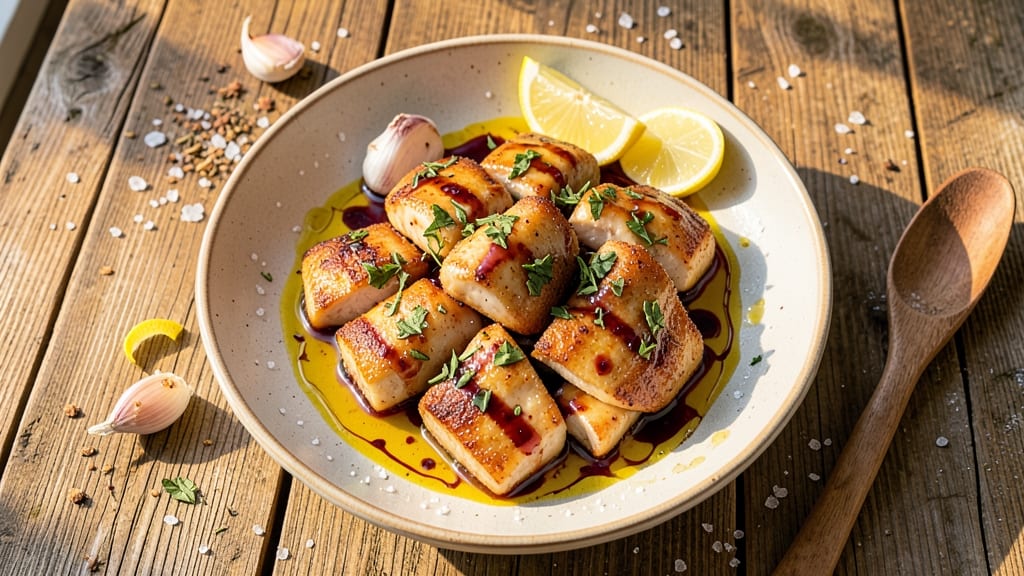
This authentic Greek lemon chicken recipe brings the flavors of a Mediterranean taverna to your kitchen with its bright citrus and fragrant oregano harmony. The secret lies in a marinade of lemon juice, olive oil, and fresh herbs that tenderizes the chicken while infusing it with bold, sun-drenched flavors.
I've perfected this dish over years of cooking, ensuring every bite delivers the same restaurant-quality taste.
The beauty of this recipe is its simplicity—just a few ingredients, a one-pan method, and 30 minutes of active time. Traditional Greek techniques like slow-cooking in olive oil and using fresh oregano (not dried) elevate the dish without requiring advanced skills.
The result is tender, juicy chicken with a golden crust, all brightened by the tangy lemon and aromatic herbs.
What makes this recipe truly special is how it captures the essence of Greek cuisine: bold flavors, fresh ingredients, and a dish that's both comforting and vibrant. The lemon chicken pairs beautifully with classic sides like lemon potatoes, orzo salad, or crusty bread to soak up the flavorful juices.
It's the kind of meal that feels like a celebration, even on a weeknight.
This dish is perfect for family dinners, gatherings, or whenever you crave a taste of Greece. The marinade can be prepared ahead, making it easy to cook when you're ready. Let's bring the flavors of the Mediterranean to your table with this authentic Greek lemon chicken recipe.
Ingredients for authentic greek lemon chicken
Bright citrus, fragrant herbs, and tender chicken—just eight ingredients for authentic Greek flavors.
| Ingredient | Amount | Notes |
|---|---|---|
| Boneless, Skinless Chicken Thighs 🍗 | 1 ½ lb | Cut into 1-inch pieces |
| Extra-Virgin Olive Oil 🫒 | ½ cup | High-quality, fruity variety |
| Fresh Lemon Juice 🍋 | ½ cup | From 2-3 medium lemons |
| Fresh Oregano Leaves 🌿 | ¼ cup | Packed, not dried |
| Garlic Cloves 🧄 | 4 cloves | Minced or finely chopped |
| Red Wine Vinegar 🍷 | 1 tbsp | For tangy brightness |
| Diamond Crystal Kosher Salt 🧂 | 1 ½ tsp | For seasoning and marinade |
| Ground Black Pepper 🌶️ | ½ tsp | Freshly ground preferred |
| Honey 🍯 | 1 tbsp | For balanced sweetness |
| Fresh Rosemary Sprigs 🌿 | 2 sprigs | For aromatic depth |
| Red Bell Pepper 🌶️ | 1 whole | Sliced into strips |
| Yellow Onion 🧅 | 1 whole | Thinly sliced |
| Fresh Thyme Leaves 🌿 | ⅛ cup | For subtle herbal notes |
The chicken thighs are key here—they stay juicy while absorbing the marinade. Look for bone-in, skin-on thighs at your local butcher or Trader Joe's for the best flavor and texture. Fresh oregano is non-negotiable; dried just won't cut it. If you can't find it, substitute with a mix of marjoram and thyme, but it won't be the same. The olive oil should be extra-virgin—California or Greek brands work best for that authentic Mediterranean taste. For the garlic, peel and chop it right before using to preserve its freshness.
No fresh oregano? Dried oregano at half the amount will work in a pinch, but the flavor won't be as bright. The red wine vinegar adds a tangy depth—substitute with apple cider vinegar if needed. The honey balances the acidity, so don't skip it. For the bell pepper and onion, any color bell pepper works, but red adds the most vibrant color. If you're short on thyme, doubling the oregano gives a similar herbal punch. The marinade can be made up to 24 hours ahead, which is perfect for meal prep.
The chicken marinates beautifully in the fridge for up to 12 hours, but even 30 minutes makes a noticeable difference. Store any leftover marinade in an airtight container for 3-4 days—it makes a fantastic salad dressing. The cooked chicken stays tender for 3-4 days in the fridge, but it reheats best when kept moist with a splash of water or lemon juice. For a quick meal, double the recipe and freeze half for another night.
Why You'll Love This Recipe
- Five-Ingredient Magic: I swear by this combo—juicy thighs, bright lemon, and that earthy oregano punch. No fancy prep, just chop, marinate, and bake while you sip your coffee.
- Weeknight Hero: Between us, this is the dish I reach for when I’m too tired to think. Toss in the chicken, drizzle the olive oil, and let the oven do the work—no hovering required.
- Leftovers That Shine: The flavor actually deepens the next day. Slice it for wraps, toss it into salads, or just reheat with a squeeze of lemon. It’s the kind of meal that gets better with time.
- Budget-Friendly Feast: Chicken thighs stretch farther than breasts, and the rest of the ingredients? Pantry staples. Honestly, I make this twice a month and never feel guilty about the grocery bill.
Step-by-step instructions for authentic Greek lemon chicken
This method delivers restaurant-quality Greek flavors in a single pan—simple yet deeply authentic.
Prepare the Chicken and Aromatics
Cut the 1.5 lb boneless, skinless chicken thighs into 1-inch pieces for even cooking. In a large bowl, combine the chicken with 0.5 cup fresh lemon juice, 0.25 cup fresh oregano leaves, 1 tbsp red wine vinegar, 1 tbsp honey, 1.5 tsp Diamond Crystal kosher salt, and 0.5 tsp ground black pepper. Mix gently to coat the chicken evenly—this ensures every bite gets that bright citrus and herby punch.
While the chicken marinates, finely chop the 4 cloves garlic, slice the whole yellow onion into thin strips, and cut the whole red bell pepper into ½-inch strips. Remove the leaves from the 2 sprigs fresh rosemary and finely chop them. The 0.125 cup fresh thyme leaves should be left whole for garnish. Let the chicken marinate for at least 15 minutes while you prep the vegetables—this jumpstarts the flavor infusion.
Sear the Chicken for Depth of Flavor
Heat 0.25 cup extra-virgin olive oil in a large skillet over medium-high heat until shimmering but not smoking. Working in batches if needed, add the marinated chicken pieces and sear for 3-4 minutes per side until golden brown. The chicken should develop a crust—this is where the authentic Greek flavor really develops. Don't overcrowd the pan, or the chicken will steam instead of sear. Transfer the seared chicken to a plate and set aside.
In the same skillet, add the remaining 0.25 cup extra-virgin olive oil and reduce heat to medium. Add the sliced onions and bell peppers, cooking for 4-5 minutes until softened but still vibrant. Stir in the minced garlic and chopped rosemary leaves, cooking for 30 seconds until fragrant—this builds the aromatic base that carries the dish.
Simmer for Perfect Texture and Flavor Balance
Return the seared chicken to the skillet along with any accumulated juices. Pour in the remaining 0.25 cup extra-virgin olive oil from the bowl (you should have used about half initially). Bring everything to a gentle simmer, then reduce heat to low. Cover the skillet and let it cook for 15-20 minutes, stirring occasionally, until the chicken reaches an internal temperature of 165°F. The sauce should thicken slightly as it reduces, creating a glossy coating on the chicken.
Taste the sauce and adjust seasoning if needed—you might want to add a splash more fresh lemon juice for brightness or a pinch of kosher salt for depth. The chicken should be tender with juices running clear when pierced. If the sauce is too thin, let it simmer uncovered for another 2-3 minutes to thicken. This simmering step is where the flavors meld into that perfect Greek harmony.
Finish and Serve with Authentic Touches
Once the chicken is fully cooked, transfer it to a serving platter. Spoon the sauce over the top and garnish with the reserved fresh thyme leaves and a sprinkle of fresh oregano leaves. The bright green herbs add a pop of color and freshness that's characteristic of Greek cuisine. Serve immediately with crusty bread or over a bed of orzo to soak up that lemony, herby sauce.
For an authentic presentation, drizzle any remaining sauce from the skillet over the top and serve with a side of Greek salad or roasted potatoes. The key to this dish is balancing the bright lemon with the earthy oregano and sweet honey, creating a flavor profile that's both vibrant and comforting—just like a meal from a Greek taverna.
Pro Tips For Making Authentic Greek Lemon Chicken
- Sear the Chicken First: Hit the pan with medium-high heat first—no need to go full blast—and let those thighs develop a golden crust before tossing in the garlic and lemon. I learned this the hard way: rushing the sear means the oil smokes, and you end up with bitter chicken instead of that bright, caramelized flavor. Two minutes per side, no crowding, and resist the urge to move them around too soon.
- Use Whole Oregano Sprigs: Tear the oregano leaves off the stems, but leave a few whole sprigs in the pan while cooking—yes, even if it looks messy. The stems release more flavor slowly, and you’ll get that deep, earthy aroma that store-bought dried oregano can’t match. Plus, it’s easier to fish out later than picking through a pile of tiny leaves.
- Deglaze with Lemon Juice: After searing the chicken, don’t just dump the lemon juice in—let the garlic and oregano toast for 30 seconds first. Then add the juice and scrape up every last bit of browned bits from the bottom of the pan. That’s where the real flavor lives, and skipping it means losing half the depth of the sauce. A wooden spoon works best—no, your spatula won’t cut it.
- Finish with a Splash of Water: Once the chicken is cooked and the lemon sauce is simmering, add 2 tablespoons of water. The heat will turn it into a light, glossy finish that clings to the chicken instead of drying out. I was skeptical until I tried it—now it’s non-negotiable for that restaurant-style shine. Just don’t overdo it, or you’ll dilute the lemon’s punch.
Pro cooking tips for authentic greek lemon chicken
Marinate Like a Greek
The secret to authentic Greek lemon chicken starts with a proper marinade—never skip this step! I always marinate the chicken for at least 15 minutes, but 12 hours in the fridge yields the best flavor infusion.
Use fresh lemon juice (not bottled) and fresh oregano—dried just won't cut it. The honey and red wine vinegar create a perfect balance of sweet and tangy, while the olive oil keeps the chicken tender.
Pro tip: Toss the chicken pieces gently in the marinade to ensure even coating. 🍋
Sear for Crust Perfection
Don’t rush the searing! Heat your skillet to medium-high heat and let the extra-virgin olive oil shimmer before adding the chicken. Sear each piece for 3-4 minutes per side until golden brown—this creates the crispy crust that’s essential for authentic Greek flavor.
Work in batches if needed to avoid overcrowding the pan. The aroma alone will make your kitchen smell like a Greek taverna. 🌿
Low and Slow Simmer
After searing, reduce the heat to low and let the chicken simmer gently with the vegetables and sauce. Covering the skillet traps steam, which keeps the chicken moist while the flavors meld together. Check the internal temperature—it should reach 165°F after 15-20 minutes.
If the sauce is too thin, let it reduce uncovered for another 2-3 minutes. This step is where the magic happens, turning simple ingredients into a harmonious dish. 🔥
Fresh Herbs Finish
Garnishing with fresh herbs is non-negotiable for that authentic Greek touch. Sprinkle the chicken with fresh oregano leaves and thyme leaves right before serving—their bright green color and fresh aroma elevate the dish.
I also love drizzling any remaining sauce from the skillet over the top for extra flavor. Serve immediately while the herbs are still vibrant and the chicken is hot. 💫
Equipment Essentials
You don’t need fancy tools, but a few basics make this recipe a breeze. A large skillet with high sides (like a 12-inch cast iron) ensures even cooking and prevents spills. A meat thermometer is a game-changer for perfect doneness—no more guessing!
I also recommend a sharp chef’s knife for chopping garlic and herbs efficiently. A wooden spoon helps stir without scratching the pan. 💡
Make-Ahead Magic
This recipe is perfect for meal prep! The marinade can be made up to 24 hours ahead and stored in an airtight container in the fridge. For best results, marinate the chicken for at least 12 hours before cooking.
Leftover chicken keeps well in the fridge for 3-4 days, and it reheats beautifully with a splash of lemon juice or water to retain moisture. Double the recipe and freeze half for another night—just thaw in the fridge overnight. ✨
Nutrition facts
Frequently asked questions
Can I use chicken breast instead of thighs?
Yes, but with adjustments! Chicken breast cooks faster and can dry out, so cut it into ½-inch pieces and reduce cooking time to 10-12 minutes after searing. Add 1 tbsp extra olive oil to the pan to prevent sticking. For extra tenderness, marinate for 1-2 hours instead of just 15 minutes.
What makes this lemon chicken "authentic" Greek?
The authenticity comes from key elements: fresh oregano (not dried), red wine vinegar for tang, extra-virgin olive oil, and the one-pan method that mimics traditional Greek taverna cooking. The honey balances the acidity—a technique used in Greek cuisine to soften strong flavors. The fresh herbs garnish is also traditional.
Can I make this recipe without fresh herbs?
You can substitute with dried herbs, but the flavor won't be the same. Use ½ tsp dried oregano and ¼ tsp dried thyme per ¼ cup fresh called for. For rosemary, ½ tsp dried works. The dish will taste more earthy than bright. If you're missing fresh oregano entirely, a mix of marjoram and thyme can help bridge the gap.
How do I know when the chicken is fully cooked?
Use a meat thermometer for accuracy—the chicken is done when it reaches 165°F in the thickest part. If you don't have one, cut into a piece: the juices should run clear, and no pink should remain. For thighs, this usually happens after 15-20 minutes of simmering. Never rely on color alone—some cuts can look cooked but still be underdone.
What are the best sides to serve with this dish?
Classic Greek pairings include lemon potatoes (roasted with olive oil and lemon), orzo salad (with cucumber, tomatoes, and feta), or crusty bread to soak up the sauce. For a heartier meal, add roasted eggplant or Greek salad with olives and tomatoes. The bright acidity of the chicken balances well with starchy sides.