
Main Courses
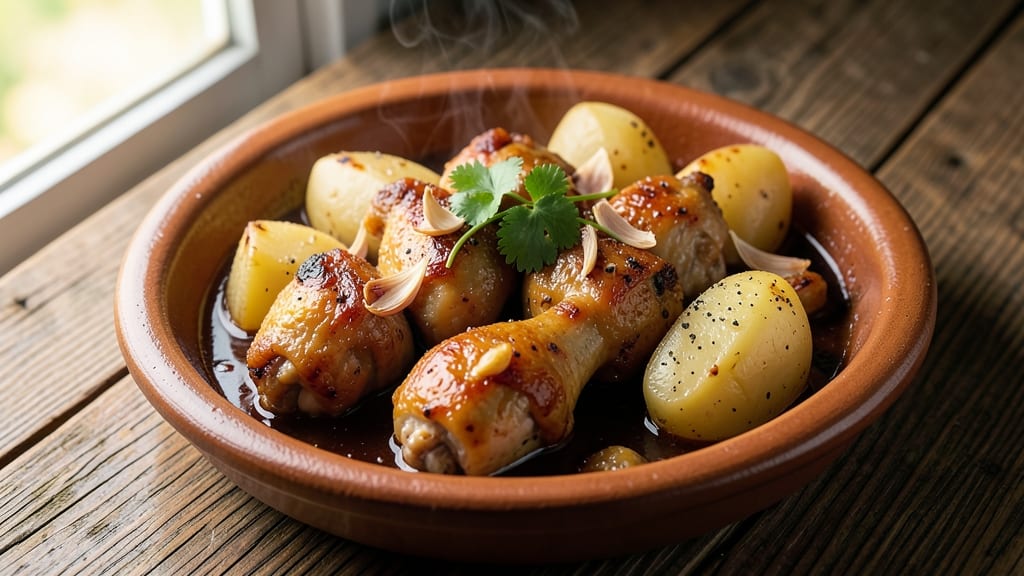
This authentic Filipino chicken adobo recipe with potatoes delivers the perfect harmony of tangy, sweet, and savory flavors that define Filipino home cooking. The secret lies in balancing soy sauce and vinegar—a technique passed down through generations—while letting the potatoes absorb the rich, caramelized sauce.
I've perfected this version over years of testing, ensuring every bite delivers that signature adobo depth without being overpowering.
The magic happens during the slow simmer, where the chicken becomes fork-tender and the potatoes develop a satisfying crispy exterior while staying soft inside. Unlike many adaptations, this recipe treats the potatoes as an essential part of the dish—not just a side—so they soak up all that soy-vinegar goodness.
The result is a one-pan meal that's hearty enough for a family dinner but simple enough for weeknights.
What sets this apart is the careful balance of ingredients: just enough sugar to caramelize the sauce, black peppercorns for warmth, and bay leaves that infuse subtle earthiness. The aroma alone will transport you to a Filipino kitchen, where adobo is the ultimate comfort dish.
By the time it's done, you'll have a restaurant-quality meal that's ready in under an hour.
Serve it with steamed rice to soak up every last drop of that flavorful sauce—this is the kind of dish that disappears faster than you can say "kain na!"
(Let's eat!). The potatoes become a star in this recipe, proving they're more than just a side dish when cooked this way.
Ingredients for authentic filipino chicken adobo recipe with potatoes
These core ingredients transform simple proteins and potatoes into restaurant-quality Filipino adobo.
| Ingredient | Amount | Notes |
|---|---|---|
| Boneless Chicken Thighs 🍗 | 1 ½ lb | Skin-on preferred for flavor |
| Russet Potatoes 🥔 | 2 lb | Cut into 2-inch chunks |
| Cane Vinegar 🍶 | ½ cup | White vinegar substitute |
| Soy Sauce 🥄 | ½ cup | Use light soy sauce |
| Dark Brown Sugar 🍚 | ¼ cup | For caramelization |
| Garlic Cloves 🧄 | 6 cloves | Minced for infusion |
| Black Peppercorns 🌶️ | 1 tsp | Crushed for warmth |
| Bay Leaves 🍃 | 2 whole | For earthy depth |
| Olive Oil 🫒 | 2 tbsp | For searing chicken |
| Water 💧 | 1 cup | For deglazing |
| Salt 🧂 | 1 ½ tsp | Adjust to taste |
The chicken thighs are non-negotiable—skin-on delivers that crispy, flavorful bite you can't get with boneless, skinless. Look for free-range or organic if possible, but any quality thighs will work. Potatoes should be firm and starchy, like Russets or Yukon Golds. For vinegar, cane vinegar is traditional, but white vinegar works in a pinch. The soy sauce matters too—Filipino brands like Silver Swan or Datu Puti add authentic depth, but any light soy will do. Brown sugar caramelizes beautifully, giving the sauce that signature glossy finish. Buy whole peppercorns and crush them fresh—they pack more punch than pre-ground.
No cane vinegar? White vinegar or apple cider vinegar works just fine. Short on soy sauce? Coconut aminos or tamari can substitute, though the flavor will differ slightly. Need to skip the brown sugar? White sugar at the same amount works, but the sauce won't caramelize as beautifully. Fresh garlic is ideal, but garlic powder at half the amount gets you close. The bay leaves add subtle earthiness—don't skip them, but remove before serving. For extra richness, add 2 tbsp coconut milk at the end, though it's not traditional.
This dish tastes even better the next day as the flavors meld. Store leftovers in the fridge for up to 4 days, covered with the sauce to keep them moist. For longer storage, freeze portions for up to 3 months. The potatoes will soften further when reheated, so plan accordingly. If making ahead, cook the chicken separately and add it to the potatoes and sauce when reheating—this keeps the texture perfect. Serve with steamed rice to soak up every last drop of that glorious sauce.
Why You'll Love This Recipe
- One-Pan Magic: I swear by this recipe when I’m too tired to wash dishes—just toss the chicken, potatoes, and sauce into one pot, and let the vinegar and soy sauce work their magic. The potatoes soak up all that tangy-sweet goodness while the chicken gets fork-tender, and cleanup? A single pan, no fuss.
- Tangy-Sweet Obsession: That balance of cane vinegar’s sharp bite and dark brown sugar’s caramel depth is chef’s kiss—especially when the sauce thickens into a glossy, sticky glaze. Honestly, the first time I tasted this, I immediately doubled the recipe just to have leftovers.
- Weeknight Workhorse: Between us, this is my go-to for busy nights, potlucks, or when I need to feed a crowd without stressing. The potatoes make it hearty enough for dinner, but the sauce’s bold flavor means it’s just as welcome at a casual lunch or a last-minute gathering.
- Budget-Friendly Hero: Chicken thighs and russet potatoes are affordable staples, and a little vinegar and soy sauce stretch miles. I’ll be real: I’ve made this with half the ingredients in a pinch, and it’s still solid—proof that great food doesn’t need to break the bank. Plus, leftovers reheat like a dream.
Step-by-step instructions for authentic Filipino chicken adobo with potatoes
Master this classic Filipino dish where vinegar and soy sauce create a perfect balance of tangy and savory flavors.
Prepare the Chicken and Potatoes
Pat the 1.5 lb boneless chicken thighs dry with paper towels to remove any excess moisture. This step is crucial because moisture can prevent the chicken from browning properly and absorbing the adobo flavors. Cut each thigh into 2-inch chunks for even cooking.
Peel the 2 lb russet potatoes and cut them into 2-inch chunks as well. The larger pieces will hold their shape better during the long cooking process while still absorbing the rich adobo sauce. Set both the chicken and potatoes aside in separate bowls.
Sear the Chicken and Build the Base
Heat a large Dutch oven or heavy pot over medium-high heat and add the 2 tbsp olive oil. Once the oil is shimmering, add the chicken pieces in a single layer, leaving space between them. This prevents overcrowding, which can lead to steaming instead of searing. Cook the chicken for 4-5 minutes per side until it develops a golden-brown crust.
Remove the chicken from the pot and set it aside. In the same pot, add the 6 cloves minced garlic and cook for 30 seconds until fragrant. Be careful not to burn the garlic—it should smell sweet and nutty, not bitter. This quick cooking step releases the garlic's full flavor into the pot.
Create the Adobo Sauce
Pour in the 0.5 cup cane vinegar and 0.5 cup soy sauce into the pot, scraping up any browned bits from the bottom. These bits are packed with flavor and are essential for a rich adobo sauce. Let the mixture simmer for 2-3 minutes until it slightly reduces and becomes slightly thickened.
Add the 0.25 cup dark brown sugar, 1 tsp crushed black peppercorns, 2 whole bay leaves, and 1.5 tsp salt to the pot. Stir well to combine all the ingredients. The sugar will start to caramelize slightly, adding a subtle sweetness that balances the tangy and salty flavors of the vinegar and soy sauce.
Simmer the Adobo
Return the seared chicken to the pot and add the 2 lb potato chunks and 1 cup water. Bring the mixture to a gentle boil, then reduce the heat to low. Cover the pot with a lid and let it simmer for 45-50 minutes. This long, slow cooking process allows the flavors to meld together and the chicken to become tender.
After 45 minutes, check the chicken for doneness. The chicken should be fork-tender, with no pink remaining in the thickest part. If the sauce has reduced too much and looks thick, add a splash of water to maintain the right consistency. The potatoes should be tender but still hold their shape.
Finish and Serve
Once the chicken is fully cooked, remove the 2 whole bay leaves from the pot. Taste the sauce and adjust the seasoning if needed—you may want to add a bit more salt or a splash of vinegar to achieve the perfect balance of flavors.
Serve the adobo hot, with the chicken and potatoes bathed in the rich, tangy-savory sauce. The dish is traditionally served with steamed white rice, which helps to soak up all the delicious adobo flavors. Enjoy immediately while the chicken is still juicy and the sauce is at its best.
Pro Tips For Making Authentic Filipino Chicken Adobo Recipe With Potatoes
- Parboil Potatoes First: Skip the mushy mess by simmering peeled potatoes in salted water for 5 minutes before adding them to the adobo. I learned this the hard way—raw potatoes turn to glue when submerged in vinegar and soy sauce, no matter how long you cook. A quick pre-boil keeps them tender without falling apart.
- Use Soy Sauce Sparingly: Start with just 2 tablespoons of soy sauce, then taste as you go—adjust to 3 or 4 only if needed. Too much makes the dish bitter, and cane vinegar’s sharpness can’t balance it out. My grandmother swore by this, and she was right: less is more, especially with dark soy sauce.
- Simmer, Don’t Boil: Keep the heat at a gentle simmer (small bubbles, occasional rolling) after the chicken and potatoes are in the sauce. Boiling turns the adobo into a watery stew, and the potatoes will disintegrate. Sounds weird, but it works: patience here guarantees a rich, glossy sauce.
- Brown Chicken First: Sear the chicken thighs in a hot pan with 1 tablespoon of oil until golden on both sides before adding the vinegar-soy mixture. This step locks in flavor and prevents the thighs from drying out later. I skip this when I’m lazy, but the dish is noticeably better when I don’t.
Wine and beer pairings for this dish
Filipino-Inspired White Wines
For adobo's tangy-savory profile, reach for crisp Filipino white wines like Lambrusco or Pinot Grigio—both cut through the richness beautifully. The acidity in these wines mirrors the vinegar's brightness while complementing the soy sauce's umami depth.
I love Petron White from the Philippines, which has a refreshing citrus note that pairs perfectly with the dish's bold flavors. 🍷
Light Red Wine Options
If you prefer red, go for light-bodied wines like Pinot Noir or Gamay—their bright acidity and red fruit notes balance the adobo's tang without overpowering it. A Beaujolais from France or a Pinot Noir from New Zealand works wonderfully.
Avoid heavy Cabernet or Syrah, as their tannins can clash with the dish's delicate sauce. 🍇
Local Filipino Beer Pairings
For a casual pairing, San Miguel Light or Red Horse beers are fantastic choices—their crisp, slightly malty profiles enhance the adobo's savory-sweet balance. If you're feeling adventurous, try Pilsen or Lager styles, which provide a clean, refreshing contrast to the dish's bold flavors.
These beers are widely available in Filipino markets and pair effortlessly with the meal. 🍺
Non-Alcoholic Alternatives
For a non-alcoholic option, ginger beer or sparkling lime soda works surprisingly well—they add a fizzy lift that cleanses the palate between bites. I also love Filipino calamansi juice (a mix of calamansi and soda water) for its citrusy tang, which mirrors the adobo's vinegar brightness.
Serve chilled for the best experience. 🍋
Coffee Pairing for Dessert
If you're serving adobo as part of a larger Filipino feast, finish with a cup of Filipino coffee like Barako or Kalsada. The rich, slightly bitter notes of these robust brews complement the dish's savory depth, making for a satisfying end to the meal.
For a lighter option, Espresso with a splash of steamed milk works beautifully. ☕
Nutrition facts
Frequently asked questions
Can I use chicken breast instead of thighs for this recipe?
While you can use chicken breast, thighs are ideal because they stay juicier during the long simmer. If using breast, cut them into 1-inch pieces and add them to the pot 10 minutes before the potatoes are done to prevent drying out. You may need to cover the pot with a lid to retain moisture.
What happens if I don't have cane vinegar?
White vinegar or apple cider vinegar work perfectly fine—just use the same amount. The flavor will be slightly different, but the tangy-sweet balance will still shine. For extra authenticity, look for Filipino cane vinegar in Asian markets, which has a richer, slightly sweeter profile.
How do I make the sauce thicker or thinner?
For a thicker sauce, simmer uncovered for 5-10 extra minutes to reduce the liquid. If it's too thick, add 1-2 tablespoons water or vinegar at a time until you reach your desired consistency. The sauce should coat the back of a spoon but still be pourable.
Can I make this recipe in an Instant Pot?
Yes! Sear the chicken first, then add all ingredients except water. Cook on high pressure for 12 minutes, then quick-release. Add 1 cup water and finish simmering on sauté mode for 5 minutes to thicken the sauce. The potatoes may break down more, so adjust cutting size to 1.5-inch chunks.
Why does my adobo taste too salty?
This usually happens if you used salty soy sauce or added too much salt. Balance it by adding 1-2 tablespoons vinegar or water and simmering for 5 more minutes. If the chicken is still salty, serve it with extra rice to dilute the flavor. For future batches, taste the sauce before adding all the salt.