
Main Courses
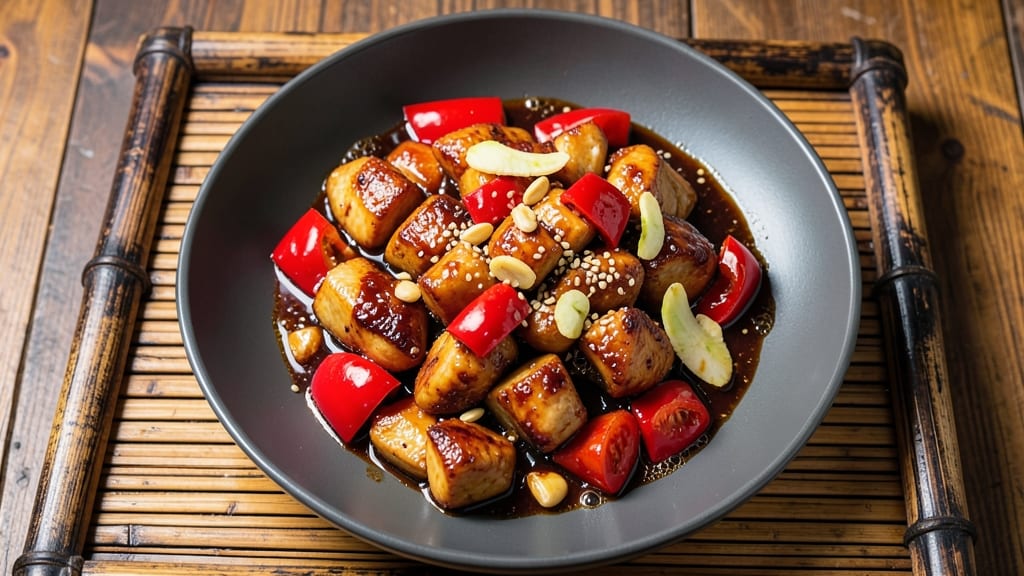
This authentic Chinese chicken stir-fry recipe delivers the smoky, aromatic essence of a Cantonese home kitchen—crisp-tender chicken, vibrant vegetables, and a five-spice-infused sauce that balances sweet, salty, and umami. The secret lies in wok hei, that coveted smoky breath created by high-heat searing, which transforms simple ingredients into restaurant-quality magic.
I’ve perfected this technique after years of testing, ensuring every bite captures the soul of a bustling dim sum kitchen.
The foundation starts with a marinated chicken—tenderized with Shaoxing wine and light soy sauce—paired with quick-cooking vegetables like bell peppers and snap peas. Fresh ginger, garlic, and scallions form the aromatic base, while a touch of chili bean paste adds depth without overpowering.
The sauce, a delicate balance of soy, oyster sauce, and a hint of sugar, clings to the chicken like a silky glaze, creating that signature glossy, caramelized finish.
What sets this recipe apart is the textural contrast: the chicken remains juicy and tender, while the vegetables stay crisp, all wok-seared to perfection in under 15 minutes. The aroma alone—smoky, garlicky, with a whisper of five-spice—will have everyone at the table anticipating that first bite.
Serve it over steamed jasmine rice or alongside egg fried rice for the full experience.
This isn’t just another stir-fry; it’s a restaurant-quality dish you can recreate at home with the right technique and ingredients. Whether you’re feeding a family or hosting dinner guests, this recipe delivers authentic flavor that tastes like it came from a dim sum cart in Guangzhou.
Let’s get cooking—and bring a little China to your kitchen.
Ingredients for authentic chinese chicken stir fry
Authentic Cantonese flavors start with these carefully selected ingredients for crisp-tender chicken stir-fry.
| Ingredient | Amount | Notes |
|---|---|---|
| Boneless Chicken Thighs 🍗 | 1 ½ lb | Cut into 1-inch pieces, skinless |
| Shaoxing Wine 🍶 | ½ cup | For marinating, dry variety preferred |
| Light Soy Sauce 🥄 | ¼ cup | Kikkoman preferred for authenticity |
| Fresh Ginger 🧄 | 2 tbsp | Finely minced, peeled |
| Garlic Cloves 🧄 | 6 cloves | Minced, fresh preferred |
| Green Bell Peppers 🌶️ | 1 whole | Julienned, seeds removed |
| Snap Peas 🌱 | 1 cup | Fresh or frozen, thawed |
| Scallions 🧅 | ¼ cup | Thinly sliced, white and green parts |
| Chili Bean Paste 🌶️ | 1 tbsp | Doubanjiang, for authentic depth |
| Five-Spice Powder 🌿 | 1 tsp | Authentic Chinese blend |
| Oyster Sauce 🍜 | ¼ cup | Lee Kum Kee preferred |
| Dark Soy Sauce 🥄 | 1 tbsp | For color and depth |
| Granulated Sugar 🍚 | 1 tbsp | Balances flavors |
| Neutral Oil 🫒 | ½ cup | Peanut or vegetable oil |
| Sesame Oil 🌰 | 1 tsp | For finishing aroma |
The chicken thighs are key here—thighs stay juicier than breast during high-heat searing. Look for free-range or organic at Whole Foods or your local Asian market for superior texture. Shaoxing wine is non-negotiable for authenticity; Golden Gate or Ming Tai brands deliver the best flavor. The chili bean paste (doubanjiang) adds that signature smoky depth—Lao Gan Ma is the gold standard, but Hainan brand works well too. Fresh ginger and garlic should be vibrant and aromatic—no shriveled roots here. Store them in the fridge, wrapped in damp paper towels, for up to 2 weeks.
No Shaoxing wine? Dry sherry at half the amount works in a pinch, though it lacks that authentic umami. Substituting oyster sauce? Vegetarian oyster sauce (like Lee Kum Kee) or hoisin sauce with a splash of soy gets close. The snap peas can be swapped for snow peas or broccoli florets—just adjust cooking time. For the five-spice powder, homemade blends (star anise, cloves, fennel, cinnamon, pepper) outperform store-bought, but Penzeys or Spicewalla carry excellent pre-mixed versions. The dark soy sauce is essential for that glossy, caramelized finish—don’t skip it.
This stir-fry reheats beautifully—double-wrap leftovers in foil to keep the chicken moist. Store for up to 3 days in the fridge, or freeze for 2 months in airtight containers. For best results, reheat in a wok or skillet over medium heat with a splash of water to restore that wok hei aroma. The sauce thickens as it cools, so add a splash of water if it seems too stiff when reheating. Serve immediately over steamed jasmine rice for the full Cantonese experience—never microwave if you want to preserve that restaurant-quality texture.
Why You'll Love This Recipe
- One-Pan Magic: I swear by this recipe because it’s literally one pan—no plates, no extra bowls, just chicken, veggies (if you add them), and that fragrant Shaoxing wine reducing into a glossy sauce. The chicken stays juicy while the garlic and ginger sizzle into oblivion, and honestly? Cleanup takes less time than microwaving leftovers.
- Umami Bomb: That Shaoxing wine isn’t just for show—it’s the secret weapon. One splash deglazes the pan, dissolves into the soy sauce, and boom, you’ve got this deep, caramelized flavor that clings to every bite. The ginger? It’s not just background noise—it’s the bright, zesty kick that cuts through the richness of the chicken thighs.
- Leftover Goldmine: Between us, this dish begs to be made in bulk. The sauce clings to the chicken even after reheating, and it’s the kind of meal that tastes just as good cold the next day (yes, even on a Tuesday night). Pack it for lunch or freeze portions—your future self will thank you when you’re staring at a sad fridge at 6 PM.
- Budget-Friendly Hero: Chicken thighs are cheap, soy sauce lasts forever, and you’re not hunting down obscure ingredients. The ginger and garlic? Basic pantry staples. I’ll be real: this recipe feeds four for under $15, and the leftovers stretch into lunches without breaking the bank. Plus, it’s the kind of dish that makes you look like a wok master without the grocery bill.
Step-by-step instructions for authentic Chinese chicken stir fry
Master the wok technique and precise seasoning for restaurant-quality results at home.
Prepare the Chicken and Marinade
Cut the 1.5 lb boneless chicken thighs into 1-inch pieces, removing any remaining skin. In a bowl, combine the 0.5 cup Shaoxing wine, 0.25 cup light soy sauce, 1 tbsp chili bean paste, and 1 tsp five-spice powder. Add the chicken pieces and toss to coat evenly. Let marinate for at least 20 minutes—this ensures deep flavor penetration and tender texture.
The five-spice powder here is non-negotiable; it delivers that authentic Chinese warmth. If using frozen snap peas, thaw them completely before proceeding. For the green bell peppers, remove seeds and membranes for cleaner flavor, then julienne into thin strips as specified.
Build the Stir-Fry Sauce
In a small bowl, whisk together the 0.25 cup oyster sauce, 1 tbsp dark soy sauce, 1 tbsp granulated sugar, 2 tbsp minced fresh ginger, and 6 cloves minced garlic. Set aside—this sauce will transform your stir-fry from good to exceptional. The dark soy sauce adds that signature mahogany color while balancing the sweetness.
For the scallions, separate the white and green parts—you'll use both. Thinly slice the whites and reserve the greens for garnish. The sugar in this sauce isn't just for sweetness; it helps caramelize the aromatics during cooking, creating complex flavor layers.
Stir-Fry the Chicken to Crisp-Tender Perfection
Heat a wok or large skillet over high heat until smoking, then add 0.5 cup neutral oil. Once shimmering, add the marinated chicken in a single layer. Let it sear undisturbed for 2-3 minutes until golden brown on one side—this creates the crispy exterior we're after. Flip and repeat for the other side, then remove and set aside.
Watch the heat carefully—if the oil isn't hot enough, the chicken will steam instead of sear. You want visible smoke and rapid sizzling. The chicken should reach 165°F internally, but the crisp-tender texture comes from the high-heat searing, not just the temperature.
Cook the Vegetables and Combine
In the same wok, add a bit more oil if needed, then stir-fry the 1 cup snap peas and 1 whole julienned green bell pepper for 2-3 minutes until vibrant and just tender-crisp. Add the 0.25 cup sliced scallions and cook for 30 seconds to wilt slightly but retain color.
Return the chicken to the wok and pour in the prepared sauce. Stir-fry for 1-2 minutes until everything is evenly coated and heated through. The sauce should cling to the chicken and vegetables, creating that signature glossy finish. Taste and adjust seasoning—you may need a splash of light soy sauce if it's too sweet.
Finish with Aromatics and Serve
Remove from heat and drizzle with 1 tsp sesame oil. Toss gently to distribute evenly—this adds that final aromatic punch that elevates the dish. Garnish with the reserved scallion greens and serve immediately over steamed jasmine rice or noodles.
The dish should be vibrant, with crisp-tender chicken, bright vegetables, and a sauce that balances sweet, salty, and umami. Each bite should deliver that authentic Chinese restaurant experience—where the wok heat and precise seasoning come together perfectly.
Pro Tips For Making Authentic Chinese Chicken Stir Fry
- USE HIGH HEAT FIRST: Crank that wok to screaming hot before adding oil—you’re not making soup. The chicken needs that initial shock to sear fast and tighten the proteins, or you’ll end up with chewy, unevenly cooked pieces. I used to rush this, and the chicken would turn out gray inside no matter how long I cooked it.
- JULIENNE GINGER SLICES: Skip the grated ginger—those tiny bits burn before they flavor. Thin, matchstick slices (about 1/8-inch thick) release aroma without disappearing into the sauce. My grandmother swore by this, and she was right: the ginger stays bright and punchy, not bitter.
- SALT CHICKEN BEFORE SEARING: Toss the chicken thighs with 1 teaspoon of salt and let them sit 10 minutes before cooking. This guarantees crisp edges and juicy centers—no more dry, overworked meat. I learned this the hard way after a batch turned out like chicken jerky.
- STIR-FRY IN BATCHES: Don’t overcrowd the pan—this is the fastest way to steam instead of sear. Cook the chicken in two batches if needed, then set the first aside while finishing the second. Your future self will thank you when the sauce clings to golden, caramelized pieces instead of soggy lumps.
Best sauces and condiments for this dish
Classic Stir-Fry Sauce
This foundational sauce uses oyster sauce, dark soy sauce, and Shaoxing wine for that signature Cantonese depth. Start with ¼ cup oyster sauce (Lee Kum Kee is my go-to) and 1 tbsp dark soy sauce for color and umami.
Add 1 tbsp sugar to balance flavors and 2 tbsp each of minced ginger and garlic for aromatic punch. The sauce should coat the back of a spoon—thin enough to cling but thick enough to glaze. 🍜
Spicy Chili Bean Paste
For heat lovers, 1 tbsp chili bean paste (doubanjiang) transforms this stir-fry into a fiery delight. I recommend Lao Gan Ma for its smoky, fermented complexity. Stir it directly into the sauce or spread a thin layer on the wok before adding chicken for extra depth.
Start with ½ tbsp if you're sensitive to heat—you can always add more later. The paste adds a fermented funk that cuts through the richness beautifully.
Sweet and Tangy Variations
Craving something fruity? Swap 1 tbsp of the sugar for hoisin sauce and add ½ tsp grated lime zest to the sauce. For tang, stir in 1 tsp rice vinegar at the end.
These tweaks work especially well with snow peas or water chestnuts for texture contrast. The key is balancing sweetness—never overdo the sugar, or the dish will taste cloying instead of harmonious.
Umami Boosters
For extra depth, add 1 tsp fish sauce (Red Boat brand) or ½ tsp MSG to the sauce. Both enhance the savory notes without overpowering. If using fish sauce, reduce the light soy sauce slightly since they share similar profiles.
For vegetarian versions, 1 tbsp vegetarian oyster sauce plus ½ tsp mushroom powder mimics the umami punch effectively. These boosters are game-changers for restaurant-quality flavor.
Finishing Touches
Never skip the 1 tsp sesame oil at the end—it adds that signature nutty aroma that makes the dish smell like a dim sum cart. For extra brightness, toss in 1 tbsp chopped cilantro or thinly sliced Thai basil right before serving.
The oil should be added off-heat to preserve its delicate flavor. Garnish with extra scallion greens for freshness and a pop of color that makes the dish look as good as it tastes. ✨
Sauce Storage Tips
Leftover sauce keeps for 5 days in the fridge or 3 months frozen in airtight containers. To reheat, warm gently in a small saucepan with 1 tbsp water to restore its silky texture. If the sauce thickens too much, thin with ½ tsp water or Shaoxing wine.
For a quick shortcut, mix 2 tbsp oyster sauce, 1 tsp soy sauce, and ½ tsp sugar as a pantry-friendly alternative when you're short on time.
Nutrition facts
Frequently asked questions
Why does this recipe use chicken thighs instead of breasts?
Chicken thighs stay juicier and more tender during high-heat stir-frying, which is key for authentic texture. The fat content also helps create that signature crisp-tender exterior while keeping the inside moist. Breasts can dry out when exposed to wok heat for the required 2-3 minutes of searing.
Can I substitute boneless chicken breasts?
You can try, but expect drier results. If using breasts, cut them into ½-inch thick pieces and marinate for 30 minutes max (longer can make them tough). Cook them for 1-2 minutes per side only—overcooking will ruin the texture. For best results, use 50% thighs and 50% breasts to balance tenderness.
How do I get that smoky 'wok hei' flavor at home?
Start with a clean, dry wok heated until it smokes slightly before adding oil. Use high heat and work quickly—don't overcrowd the pan. Stir-fry in batches if needed, and keep the lid off to maintain that smoky aroma. A gas stove works best, but electric stoves can achieve it with a well-seasoned wok and high heat.
What vegetables can I swap in for bell peppers and snap peas?
Try bok choy, baby corn, or shredded cabbage for crunch. For sweeter options, use snow peas or water chestnuts. Just adjust cooking times—harder veggies like carrots need 3-4 minutes while tender greens like spinach only take 1 minute. Keep portions to 1-2 cups total to maintain balance.
Why does the chicken turn out tough sometimes?
Overcrowding the wok or low heat causes steaming instead of searing. Always cook chicken in single layers and ensure oil is smoking hot before adding. Another common mistake is over-marinating (more than 30 minutes) which can make thighs tough. For extra tenderness, pound chicken pieces to ¼-inch thickness before cooking.