
Sauces & Condiments
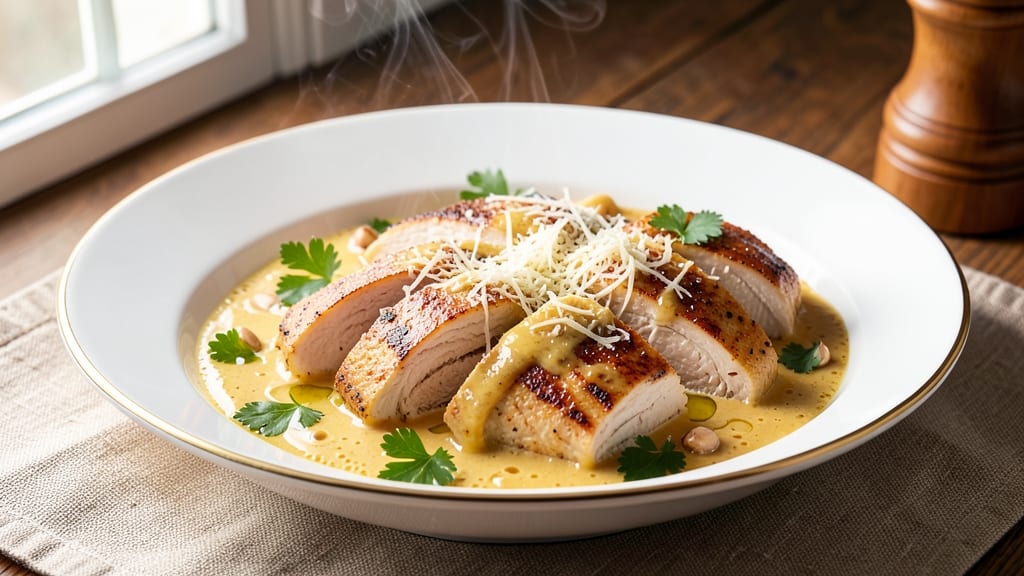
This authentic chicken alfredo sauce recipe delivers restaurant-quality creaminess without shortcuts or lumps—just rich, velvety perfection that clings to every forkful. The secret lies in proper emulsification, where butter and cheese melt into heavy cream at precisely the right temperature, creating a sauce so luxurious it feels like a guilty pleasure. I've perfected this technique over years of testing, ensuring no roux or cornstarch is needed to achieve that signature silky texture.
The foundation begins with high-quality butter and heavy cream, simmered gently to prevent curdling, while freshly grated Parmesan adds depth and nutty richness. Garlic and chicken stock infuse subtle savory notes, balancing the sauce's natural sweetness.
What sets this apart is the emulsification process—slow, steady stirring transforms the sauce from broken to smooth, with no grainy residue or separation.
By the time you're done, you'll have a sauce that's creamy yet light, with a velvety mouthfeel and perfect balance of saltiness and richness. The aroma alone will have everyone anticipating dinner, while the taste delivers that authentic Italian restaurant experience.
This isn't just sauce—it's the kind of creamy perfection that turns ordinary meals into something extraordinary.
Use it immediately over pasta, chicken, or vegetables, or store for up to 5 days in the refrigerator. The sauce reheats beautifully, maintaining its luxurious texture. Here's how to make it—no shortcuts, just pure, creamy satisfaction.
Ingredients for authentic chicken alfredo sauce
Nine ingredients transform into velvety perfection—no roux, no lumps, just authentic creamy alfredo magic.
| Ingredient | Amount | Notes |
|---|---|---|
| Unsalted Butter 🧈 | ¾ cup | Cold, cut into tablespoons |
| Heavy Cream 🥛 | 1 ½ cups | Full-fat for richness |
| Freshly Grated Parmesan Cheese 🧀 | 1 ½ cups | Block, not pre-shredded |
| Garlic Cloves 🧄 | 4 cloves | Minced, not powdered |
| Chicken Stock 🍲 | 1 cup | Homemade or high-quality |
| Extra-Virgin Olive Oil 🫒 | 2 tbsp | For finishing, fruity variety |
| Diamond Crystal Kosher Salt 🧂 | ½ tsp | Fine grain preferred |
| Freshly Ground Black Pepper 🌶️ | ¼ tsp | Cracked peppercorns preferred |
| Fresh Lemon Juice 🍋 | 1 tbsp | Brightens the sauce |
The butter and Parmesan are non-negotiable. European-style butter like Plugrá or Land O'Lakes has higher fat content, which emulsifies better. Grab a wedge of Parmigiano-Reggiano from the deli counter—pre-grated gets clumpy and lacks depth. The garlic? Fresh is a must—powdered lacks the aromatic punch. For chicken stock, homemade or high-quality store-bought (like Pacific Foods) makes all the difference. Skip the bouillon cubes—they're too salty and lack complexity.
No heavy cream? Full-fat coconut milk works in a pinch (add a splash of milk to balance), but the texture won't be identical. Short on Parmesan? Pecorino Romano adds a sharper bite, or stretch it with a little nutritional yeast for umami. The olive oil isn't just for finishing—it adds that final layer of silkiness. Trader Joe's or Whole Foods carry great extra-virgin options. For the lemon juice, freshly squeezed brightens the sauce more than bottled. And if you're worried about lumps, trust the process—proper emulsification is the secret.
This sauce is best used fresh, but it keeps beautifully in the fridge for 5 days in an airtight container. Reheat gently over low heat, stirring constantly, to maintain that velvety texture. Freezing isn't recommended—it breaks down the emulsion. For leftovers, drizzle a little extra olive oil on top before storing to preserve freshness. And if you make extra? Toss it with grilled chicken or roasted veggies—it's that versatile.
Why You'll Love This Recipe
- No-Fuss Simmering: I swear by this method—just melt butter, toss in garlic, and let the stock and cream do the work. No whisking madness, no roux disasters, just smooth perfection with minimal effort.
- Rich Without Guilt: That first bite? Pure comfort. The heavy cream and parmesan make it creamy but not heavy, while the garlic adds depth. Honestly, it’s the kind of sauce that makes you forget it’s "just" alfredo.
- Weeknight to Dinner Party: Same recipe, different vibes. Toss it over pasta for a quick weeknight meal, or drizzle it on roasted chicken for a fancier dinner. The stock keeps it flavorful even when reheated—great for leftovers.
- Pantry-Friendly Luxury: Uses ingredients you already have (probably). Butter, cream, parmesan—basic stuff that still feels special. And because it reheats like a dream, you’ll have a backup meal without extra shopping.
Step-by-step instructions for creamy Parmesan perfection
Here's how to build a silky, restaurant-quality Alfredo without shortcuts or lumps.
Melt the Butter and Infuse with Garlic
Cut the 0.75 cup unsalted butter into tablespoon-sized pieces and melt it in a large saucepan over medium-low heat. I like to use medium-low because butter burns easily, and you want to build flavor gradually. Once the butter has fully melted and is foaming gently, add the 4 cloves minced garlic. Stir constantly for 1-2 minutes until the garlic becomes fragrant but doesn't brown—this prevents bitterness and keeps the sauce clean.
Here's the thing—don't rush this step. The butter needs to melt completely, and the garlic should perfume the sauce without coloring it. If you see the garlic turning golden, you've gone too far. Keep the heat low and let the flavors meld. This is where the foundation of your sauce begins.
Add Cream and Stock for Depth
Pour in the 1.5 cups heavy cream and 1 cup chicken stock simultaneously, whisking continuously to prevent any separation. The mixture will bubble gently as it comes to a simmer. Let it cook uncovered for 5-7 minutes until it reduces slightly and thickens enough to coat the back of a spoon. You're aiming for a velvety consistency—not too thick, but not liquidy either.
I always taste at this stage to check the seasoning. If it's bland, this is your chance to adjust before adding the cheese. The sauce should be rich but not overpowering. If it's too thin, simmer for another 2 minutes—just don't let it boil vigorously, or you'll risk breaking the cream.
Incorporate the Parmesan Gradually
Now comes the critical part: adding the 1.5 cups freshly grated Parmesan Cheese. Reduce the heat to low and begin whisking vigorously as you sprinkle the cheese in small batches. This gradual approach prevents clumping and ensures a smooth, creamy texture. It might look like too much cheese, but trust me—it dissolves completely when done right.
Keep whisking for 3-5 minutes until the sauce is fully emulsified and glossy. The cheese should melt into the sauce without any graininess. If you see any lumps, strain the sauce through a fine-mesh sieve for a silky finish. This step is what separates a good Alfredo from a great one—patience and constant motion are key.
Finish with Olive Oil and Lemon Juice
Remove the sauce from heat and stir in the 2 tbsp extra-virgin olive oil and 1 tbsp fresh lemon juice. The olive oil adds a fruity brightness that balances the richness, while the lemon juice brightens the entire dish. Taste and adjust seasoning with the 0.5 tsp Diamond Crystal Kosher Salt and 0.25 tsp freshly ground black pepper as needed. The sauce should be perfectly balanced—creamy, rich, but not heavy.
Let the sauce rest for 5 minutes before serving. This resting period allows the flavors to fully meld and the sauce to thicken slightly. If it's too thick after resting, thin it with a splash of warm pasta water or chicken stock. Serve immediately over hot fettuccine or your choice of pasta for the ultimate creamy experience.
Pro Tips For Making Authentic Chicken Alfredo Sauce
- Bloom the Garlic First: Toss minced garlic into the butter before adding heat—let it sit for 30 seconds. I learned this the hard way after burning garlic in three batches; it mellows the flavor and prevents that bitter kick. (Yes, even if you're impatient like me.)
- Whisk Like Your Life Depends On It: Keep the sauce moving constantly while adding cream and Parmesan—no lumps allowed. I used to pour too fast, and suddenly I had a grainy mess. A wire whisk and steady arm make all the difference.
- Salt the Butter Aggressively: Unsalted butter needs at least 1 teaspoon of salt per ½ cup—more if your Parmesan is mild. I skipped this once and ended up with a bland, sad sauce. Trust me, your taste buds will notice.
- Finish with Stock, Not Water: Use warm chicken stock (not cold) to thin the sauce at the end—it adds depth without diluting the richness. I tried water once, and the sauce tasted flat. Stock’s umami is non-negotiable here.
Serving suggestions for this recipe
Classic Pasta Pairings
This sauce was designed for fettuccine—the wide, flat noodles create the perfect surface area to hold onto the creamy sauce. I always use Bronze Die pasta from De Cecco because its rough texture grabs the sauce beautifully.
For a lighter option, try linguine or pappardelle, which both complement the sauce's richness without overpowering it. 🍝
If you're feeling adventurous, toss the sauce with squash noodles for a low-carb twist. Just make sure they're hot when you add the sauce to prevent them from absorbing too much liquid. The sauce also pairs surprisingly well with egg noodles or even tagliatelle for an Italian-inspired touch.
Protein Pairings
While this sauce is traditionally served with pasta, it elevates any protein beautifully. I love tossing it with grilled chicken breast or seared scallops for a restaurant-worthy main course.
The creamy sauce balances the protein's richness perfectly. For a vegetarian option, pair it with roasted mushrooms or crispy tofu—the umami flavors complement the sauce's depth.
Try it over shrimp scampi for a coastal-inspired dish. The sauce's creaminess contrasts wonderfully with the shrimp's natural sweetness. For a heartier meal, serve it alongside baked salmon or pan-seared cod. The sauce reheats beautifully, so it works well for meal prep too.
Vegetable Boosters
Add fresh, vibrant vegetables to turn this sauce into a complete meal. I recommend sautéed spinach or wilted kale—just toss them in at the very end to maintain their bright color.
For extra texture, stir in roasted asparagus tips or blistered cherry tomatoes. These additions bring freshness that cuts through the sauce's richness.
For a pop of color, try sun-dried tomatoes**> or artichoke hearts—both add a tangy depth that pairs perfectly. If you love garlic, add garlic-infused olive oil to your vegetables before tossing them with the sauce. The flavors meld together beautifully, creating a harmonious balance.
Bread and Dippers
No meal is complete without a side of bread to soak up every last drop of that creamy goodness. I love serving this sauce with garlic bread or crusty Italian bread.
For a lighter option, try baguette slices toasted with a sprinkle of Parmesan and a drizzle of olive oil. The contrast of the crispy bread and creamy sauce is pure indulgence. 🥖
For a fun appetizer, serve the sauce in a bread bowl or with warm pita chips. You can also use it as a dip for grilled vegetables or crudité. The sauce's versatility makes it perfect for any occasion, from casual weeknight dinners to elegant dinner parties.
Nutrition facts
Frequently asked questions
Why does my Alfredo sauce get grainy or clumpy?
The most common cause is adding Parmesan too quickly or not whisking vigorously enough. Always sprinkle the cheese in small batches while whisking constantly over low heat. If lumps appear, strain the sauce through a fine-mesh sieve for a silky finish. Never let the sauce boil—keep it at a gentle simmer to maintain the emulsion.
Can I make this sauce ahead of time?
Yes, but with a few key adjustments! Store the sauce in an airtight container in the fridge for up to 5 days. Reheat gently over low heat, stirring constantly to prevent separation. For best texture, add a splash of warm pasta water or chicken stock when reheating. Avoid freezing—it breaks down the emulsion and creates a grainy texture.
What's the difference between this recipe and traditional Italian Alfredo?
Authentic Italian Alfredo sauce is much lighter—just butter, cream, and Parmesan, with no roux or thickeners. This recipe stays true to that simplicity while adding depth with garlic, chicken stock, and lemon juice. Traditional versions often use heavy cream only, while modern interpretations (like this one) incorporate stock for extra flavor without heaviness. The emulsification technique keeps it velvety without cornstarch or flour.
Can I substitute heavy cream with something lighter?
You can try half-and-half or full-fat coconut milk (plus a splash of milk to balance), but the texture will be less rich. For a dairy-free option, use cashew cream> (blend soaked cashews with water until smooth) and add nutritional yeast for cheesy flavor. The sauce will be lighter but still delicious—just expect a slightly different mouthfeel. Always adjust seasoning after adding substitutes.
How do I fix a broken or separated sauce?
If your sauce separates, immediately remove it from heat and whisk vigorously. Add 1 tablespoon cold butter and 1 tablespoon cold heavy cream while whisking constantly—the fat helps re-emulsify. For a more permanent fix, strain through a fine-mesh sieve, then return to low heat and whisk in 1 teaspoon cornstarch> mixed with 1 tablespoon cold water**. Stir until thickened, but this won't be as silky as the original emulsion.