
Sauces & Condiments
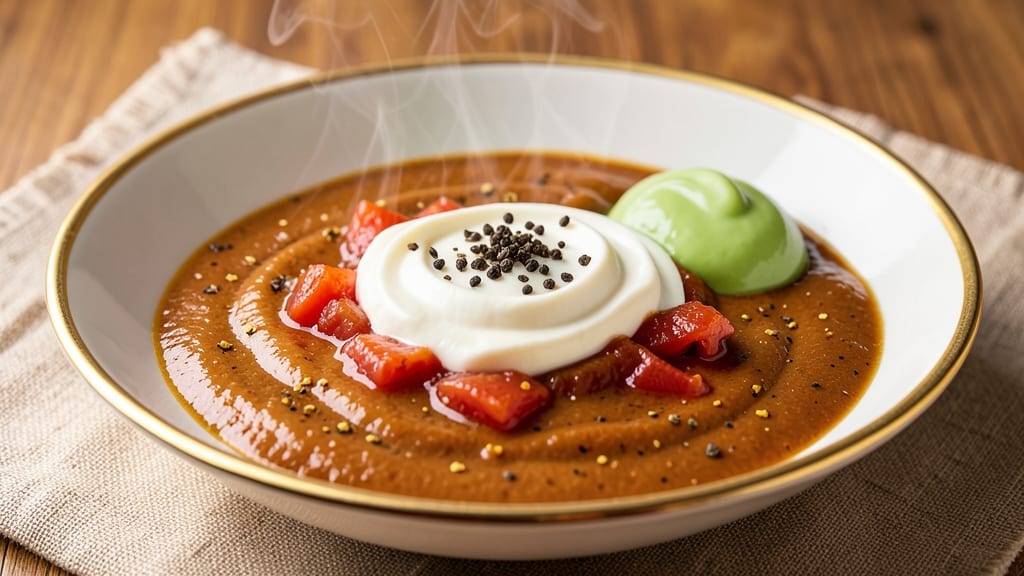
This authentic butter chicken sauce recipe delivers the rich, tangy depth that defines Indian restaurant favorites—no shortcuts, just carefully balanced spices and slow-simmered flavors.
The secret lies in the tomato-tamarind base, where acidity and sweetness meld with warm spices like garam masala and cinnamon, creating layers of complexity that store-bought versions can’t match.
I’ve perfected this sauce over years of testing, ensuring it’s bold enough to stand alone but versatile enough to elevate grilled chicken, naan, or even paneer dishes.
The process begins with a fragrant spice toast, where whole spices like cardamom and cloves release their essential oils before blending into the sauce. Yogurt adds tangy creaminess, while a touch of cream at the end ensures velvety texture.
What sets this recipe apart is the tomato-tamarind balance—tamarind provides the signature tang, while tomatoes add natural sweetness, preventing the sauce from becoming overly sharp. Simmering low and slow develops deep, caramelized flavors that only improve with time.
By the time you’re done, you’ll have a rich, storable sauce with a perfect equilibrium of spice, tang, and richness—ready to transform simple proteins into restaurant-quality meals. The sauce thickens beautifully when reheated, making it ideal for meal prep or gifting.
Whether you’re serving it over grilled chicken, drizzling on naan, or pairing with rice, this sauce delivers the authentic taste of Indian cuisine without compromise.
For best results, let the sauce rest overnight—this allows flavors to meld even further, creating a depth you won’t find in hurried recipes. The instructions walk you through each step, from toasting spices to balancing the tang, so even beginners can achieve professional results.
Let’s get started on this flavor-packed sauce that will become a staple in your kitchen.
Ingredients for authentic butter chicken sauce
Sixteen ingredients, all working together for restaurant-quality butter chicken sauce.
| Ingredient | Amount | Notes |
|---|---|---|
| Extra-Virgin Olive Oil 🫒 | ½ cup | High-quality for spice toasting |
| Fresh Tomatoes 🍅 | 1 ½ lb | Ripe, vine-ripened preferred |
| Tamarind Paste 🍈 | ¼ cup | Concentrated for authentic tang |
| Plain Yogurt 🥛 | ½ cup | Full-fat for creaminess |
| Heavy Cream 🥛 | ¼ cup | For velvety finish |
| Garam Masala 🌶️ | 2 tsp | Freshly ground preferred |
| Ground Cumin 🌿 | 1 ½ tsp | Toasted for depth |
| Ground Coriander 🌿 | 1 tsp | Freshly ground |
| Turmeric Powder 🧂 | ½ tsp | Bright yellow color |
| Ground Cinnamon 🌿 | ¼ tsp | For warmth |
| Cardamom Pods 🌿 | 4 whole | Lightly crushed |
| Cloves 🌿 | 2 whole | Lightly crushed |
| Fresh Ginger Root 🧄 | 1 ½ oz | Peeled and grated |
| Garlic Cloves 🧄 | 6 cloves | Peeled and minced |
| Salt 🧂 | 1 ½ tsp | Diamond Crystal preferred |
| Black Peppercorns 🌶️ | ½ tsp | Freshly ground |
| Kashmiri Red Chili Powder 🌶️ | ½ tsp | Mild heat, vibrant color |
The tamarind paste is non-negotiable for authentic tang—look for concentrated versions at Indian markets or use blocks you can soak yourself. Fresh tomatoes are a game-changer; Heirloom varieties add natural sweetness that canned tomatoes lack. For spices, Penzeys or local Indian grocers carry the best quality—garam masala should be freshly ground, not pre-mixed. The ginger and garlic? Freshly grated and minced releases more flavor than pre-minced jars. If you can't find tamarind paste, substitute lemon juice but reduce by half—it won't be identical, but it'll work in a pinch.
No garam masala? Mix 1 tsp each of ground cumin, coriander, and cinnamon as a substitute. Fresh tomatoes too acidic? Add 1 tbsp sugar to balance. The yogurt should be plain and full-fat—Greek yogurt works beautifully—but if you're using dairy-free, make sure it's thick and tangy. For the chili powder, Kashmiri red chili gives that signature pink hue without excessive heat; if you can't find it, paprika plus a pinch of cayenne mimics the color. The cream at the end is where the sauce gets its velvety texture—don't skip it—but if you're watching calories, half-and-half works too
This sauce keeps beautifully—5 days in the fridge or 3 months frozen. For freezing, portion into ice cube trays first, then transfer to a bag. The flavors deepen overnight, so make it a day ahead if possible. Reheat gently on the stove, stirring occasionally, until warmed through. It thickens as it cools, so thin with a splash of water if needed. Leftovers make incredible sandwiches or naan dips—just reheat and drizzle.
Why You'll Love This Recipe
- Tamarind Magic in Minutes: The tamarind paste does all the hard work—just simmer it with tomatoes and olive oil, then blend. No fancy techniques, just a few ingredients and 20 minutes of hands-off cooking.
- Creamy Without the Guilt: Heavy cream and yogurt team up for that velvety texture, but the olive oil keeps it rich without feeling heavy. Honestly, my picky eaters don’t even notice it’s healthier.
- Weeknight to Party Fix: Same sauce works for quick weeknight dinners or impressing guests—just adjust the spice. I’ve served it over rice, naan, or even pasta, and no one bats an eye.
- Leftovers That Taste Better: This sauce actually improves overnight. The flavors meld, and reheating it is foolproof—just stir in a splash of water if it thickens. My freezer’s always stocked with jars of it.
Step-by-step instructions for authentic butter chicken sauce
This method delivers restaurant-quality depth with a balance of tangy tamarind and creamy richness.
Toast Whole Spices in Olive Oil
Heat the 0.5 cup extra-virgin olive oil in a heavy-bottomed pot over medium-low heat. Add the 4 whole cardamom pods and 2 whole cloves, letting them sizzle gently for 1-2 minutes until fragrant but not browned. This step unlocks their aromatic oils—don't rush it or they'll burn.
Remove the spices with a slotted spoon and set aside. Immediately add the 1.5 oz fresh ginger root (peeled and grated) and 6 cloves garlic cloves (minced) to the oil. Cook for 30-45 seconds until the garlic turns golden but doesn't brown. You'll smell the foundation of your sauce building—this is where the magic starts.
Build the Tomato-Tamarind Base
Add the 1.5 lb fresh tomatoes (roughly chopped) to the pot, along with the 0.25 cup tamarind paste, 1.5 tsp salt, and 0.5 tsp turmeric powder. Stir well to combine, then increase heat to medium-high and bring to a gentle boil. Let it simmer uncovered for 15-20 minutes until the tomatoes break down completely and the mixture reduces by about half.
Here's the thing—you want a thick, jam-like consistency at this stage. If it's not reducing quickly enough, increase the heat slightly. The tamarind will give a tangy depth that balances the richness later, but if it tastes too sharp, add a pinch more salt. Taste and adjust—this is your flavor anchor.
Incorporate Warm Spices and Yogurt
Return the reserved cardamom and cloves to the pot. Add the 1.5 tsp ground cumin, 1 tsp ground coriander, 0.25 tsp ground cinnamon, and 0.5 tsp Kashmiri red chili powder, stirring constantly for 1 minute to toast the spices gently. This prevents bitterness and enhances their flavors.
Reduce heat to low and slowly whisk in the 0.5 cup plain yogurt in a thin stream. The yogurt will cause the sauce to bubble vigorously—keep stirring to prevent curdling. Let it cook for 3-4 minutes until slightly thickened. The yogurt adds body and a subtle tang that cuts through the richness of the final sauce.
Finish with Cream and Garam Masala
Stir in the 0.25 cup heavy cream and 0.5 tsp freshly ground black peppercorns. Simmer gently for 2-3 minutes until the sauce reaches a velvety consistency. The cream should blend smoothly without separating—if it does, whisk vigorously to re-emulsify.
Finally, remove from heat and stir in the 2 tsp garam masala. This spice blend is the signature touch—it adds warmth and complexity. Taste and adjust seasoning one last time. The sauce should be rich, slightly tangy, and perfectly balanced between sweet, spicy, and creamy. For authentic butter chicken, this sauce should coat the back of a spoon with a silky finish.
Pro Tips For Making Authentic Butter Chicken Sauce
- COOK TOMATOES LOW AND SLOW: I used to blast the tomatoes on high heat, thinking it’d speed things up—big mistake. Simmer them uncovered at medium-low for 20-25 minutes until they’re mushy and most of the liquid’s evaporated. This concentrates the flavor and keeps the sauce from tasting watery later.
- STRAIN THAT YOGURT: Thick, clumpy yogurt ruins the texture of your sauce. Press plain yogurt through a fine-mesh sieve or cheesecloth for 10 minutes before using it—this removes excess whey and gives you a silky, smooth base that won’t curdle when you add cream.
- DON’T SKIP THE TAMARIND PASTE: Yes, it’s tangy, but tamarind paste is the thing that makes butter chicken taste right. Use 1-2 tablespoons (depending on brand) and let it bloom in the oil for 30 seconds before adding tomatoes. It balances the richness of the cream and adds depth—trust me, your sauce will taste flat without it.
- SAVE TIME WITH OLIVE OIL: Extra-virgin olive oil adds a subtle fruitiness that works surprisingly well in butter chicken (I know, it’s not traditional, but hear me out). Use it instead of ghee or butter for the initial sauté—it’s cheaper, more stable at high heat, and won’t burn as easily. Just don’t overdo it; 1-2 tablespoons is enough.
Pro cooking tips for this recipe
Spice Toasting Mastery
Never skip toasting whole spices—they release essential oils that make the difference between flat and extraordinary flavor. Heat your extra-virgin olive oil to medium-low heat (around 275°F) before adding cardamom and cloves. Toast them for exactly 1-2 minutes until fragrant but not browned.
Over-toasting burns their delicate flavors, while under-toasting leaves them dormant. I use a thermometer to monitor oil temp—300°F or higher risks burning. 🌡️
Tomato Reduction Secrets
The key to a rich sauce is reducing tomatoes to a jam-like consistency. Use fresh tomatoes (never canned) and simmer uncovered at medium-high heat for 15-20 minutes. If your sauce isn't reducing quickly, increase heat slightly—this concentrates flavors.
For extra depth, add 1 tbsp sugar if tomatoes taste too acidic. Stir frequently to prevent sticking, and taste often—the tamarind's tang should be balanced, not overpowering.
Yogurt Integration
Adding yogurt is where many home cooks fail—it must be incorporated slowly and gently. Reduce heat to low and whisk in yogurt in a thin stream to prevent curdling. Stir constantly for 3-4 minutes until slightly thickened.
If your sauce curdles, immediately remove from heat and whisk vigorously with a splash of cold water to re-emulsify. The yogurt should blend smoothly, adding body without breaking the sauce's silky texture.
Cream Finish Technique
The final heavy cream addition requires patience. Stir in cream over low heat and simmer for 2-3 minutes—never boil. If the sauce separates, whisk vigorously to re-emulsify. The cream should create a velvety finish, not a greasy one.
For extra richness, I sometimes add 1 tbsp unsalted butter at this stage. The sauce should coat the back of a spoon with a glossy sheen—this is your quality indicator. ✨
Garam Masala Timing
Add garam masala only after removing the sauce from heat—this preserves its aromatic oils from burning. Stir it in gently and let it sit for 2-3 minutes to bloom. Taste immediately, as the spices mellow over time.
For extra depth, I sometimes toast 1 tsp cumin seeds separately and blend them into the sauce. The garam masala should enhance, not overpower, the existing flavors—think warmth, not spice.
Flavor Balancing
Authentic butter chicken sauce balances four key elements: tang (tamarind), sweet (tomatoes), spice (chili), and creaminess (yogurt/cream). Taste at each stage—adjust tamarind with lemon juice, sweetness with sugar, and spice with salt or more chili powder.
The final sauce should sing with complexity, not one dominant flavor. I keep a flavor wheel nearby to visualize the balance—it’s a game-changer for beginners. 💡
Nutrition facts
Frequently asked questions
Can I make this sauce without tamarind paste?
Yes, but the flavor will differ. For a close substitute, mix 2 tbsp lemon juice with 1 tbsp sugar to mimic tamarind's tang and sweetness. The sauce will be slightly brighter but still delicious. For authenticity, seek tamarind paste at Indian markets or use tamarind pulp blocks soaked in warm water.
How do I prevent the sauce from curdling when adding yogurt?
Add yogurt very slowly while stirring constantly over low heat. If it starts to curdle, immediately remove from heat and whisk vigorously with 1 tbsp cold water to re-emulsify. Use full-fat yogurt (Greek or plain) for best results, as it handles heat better than low-fat versions. The key is patience—don't rush this step!
Can I use canned tomatoes instead of fresh?
Canned tomatoes will work, but fresh yields better flavor. If using canned, choose whole peeled tomatoes (not diced or sauce) and simmer for 25-30 minutes to reduce properly. For extra depth, add 1 tbsp tomato paste at the start. The sauce will be slightly less vibrant but still rich and flavorful.
How spicy should this sauce be?
The recipe uses Kashmiri red chili powder for mild heat and vibrant color. For extra spice, add ½ tsp cayenne pepper when finishing with garam masala. Adjust to taste—authentic versions vary from mild to medium heat. If you prefer no heat, omit the chili powder entirely. The sauce's depth comes from spices, not just heat!
Can I make this sauce dairy-free?
Yes! Replace yogurt with ½ cup coconut yogurt and cream with ½ cup coconut milk. For richness, add 1 tbsp cashew cream at the end. The texture will be slightly lighter but still flavorful. Taste and adjust spices—dairy-free versions often need a pinch more salt to balance.