
Main Courses
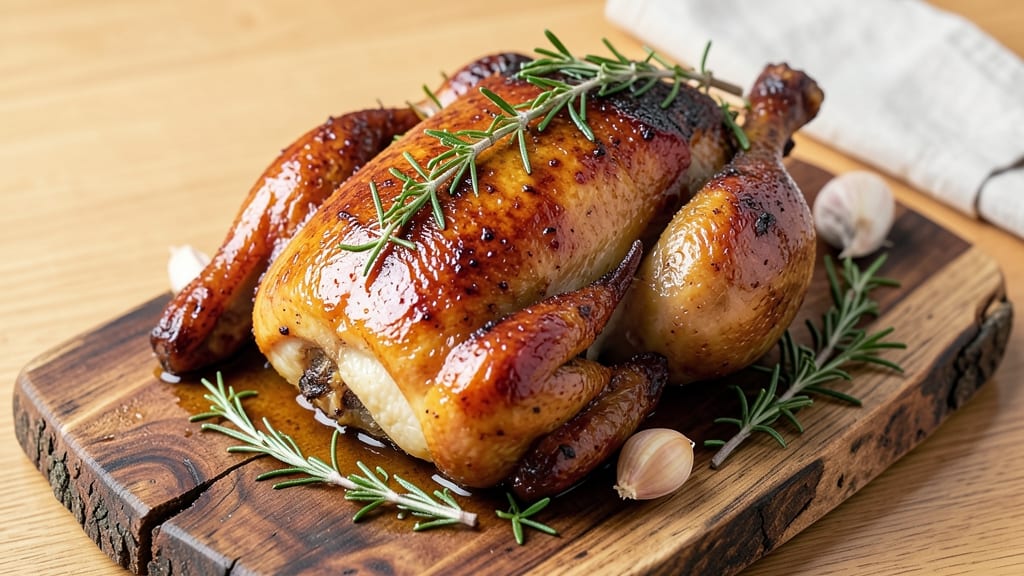
Anthony Bourdain’s roast chicken recipe delivers crispy, golden skin and juicy meat with minimal fuss—just like he’d make it. The secret lies in a dry rub of salt, pepper, and herbs, roasted at high heat to lock in flavor before a slow finish.
Bourdain believed great food should be simple but bold, and this method proves it. No complicated brines or butter bastes—just technique and confidence.
What sets this recipe apart is the two-stage roasting process: start with 425°F to render fat and crisp the skin, then lower to 325°F for even cooking. The chicken rests afterward, ensuring every bite stays moist.
Bourdain’s philosophy—"food should be fun, not a chore"—shines here, making it perfect for weeknight dinners or special occasions without the stress.
The result is a restaurant-quality roast chicken with crackling skin and tender meat, ready in about 2 hours. Serve with roasted vegetables or crusty bread to soak up the juices.
This isn’t just a recipe; it’s a lesson in fearless cooking—where simplicity meets flavor, and every bite tells a story.
Pair it with a bold red wine or a crisp white to match the dish’s versatility. Whether you’re feeding a crowd or treating yourself, Bourdain’s method guarantees a showstopper without the fuss. Let’s get cooking.
Ingredients for anthony bourdain roast chicken
Four pounds of chicken and seven simple ingredients transform into Bourdain's legendary crispy-skinned roast.
| Ingredient | Amount | Notes |
|---|---|---|
| Whole Chicken 🍗 | 4 lb | Bone-in, skin-on preferred |
| Kosher Salt 🧂 | 1 ½ tbsp | Diamond Crystal preferred |
| Freshly Ground Black Pepper 🌶️ | 1 tsp | Coarse grind for texture |
| Fresh Thyme Leaves 🌿 | ½ cup | Stems removed, loosely packed |
| Fresh Rosemary Sprigs 🌿 | 4 whole | Woody stems intact |
| Garlic Cloves 🧄 | 6 cloves | Smashed, not minced |
| Extra-Virgin Olive Oil 🫒 | 2 tbsp | For skin crisping |
| Fresh Lemon Juice 🍋 | 2 tbsp | Bright, freshly squeezed |
| Yellow Onion 🧅 | 1 whole | Quartered, skin on |
| Carrots 🥕 | 2 whole | Whole, unpeeled |
| Celery Stalks 🥬 | 2 whole | Trimmed, cut into chunks |
| Fresh Parsley Sprigs 🌿 | 4 whole | For garnish |
The chicken is non-negotiable—look for a 4-pound bird with good fat coverage (the skin should feel thick and white). Whole Foods or local butchers often carry higher-quality poultry with better marbling. Avoid pre-washed chickens, as excess moisture prevents crisping. For the herbs, fresh is essential—dried won't deliver the same aromatic punch. If using a frozen chicken, thaw it overnight in the fridge, skin-side down on a wire rack to prevent sogginess. The lemon juice should be freshly squeezed; bottled versions lack the bright acidity Bourdain prized.
No fresh thyme? Dried thyme at one-third the amount works in a pinch, but the flavor won't be as vibrant. Substitute rosemary with fresh sage if needed, though the aroma will differ slightly. For the garlic, smashing the cloves (rather than mincing) releases more flavor without turning bitter. The olive oil matters here—use a fruity, extra-virgin variety (like California Early Harvest) for the skin to crisp properly. If you're short on time, room-temperature chicken crisps faster than cold, so take it out of the fridge 30 minutes before roasting.
This chicken reheats poorly—plan to serve it immediately after roasting. If you must store leftovers, keep them in the fridge for up to 3 days, but the skin will lose its crispness. For maximum crispiness, re-crisp the skin under a broiler for 2-3 minutes before serving. The herb sprigs can be saved and dried for future use—simply hang them in a dark, dry place for a week. Bourdain's method yields enough for 4 servings with sides, but the chicken itself is the star—save any extra for sandwiches or salads.
Why You'll Love This Recipe
- Fewer Ingredients, More Impact: I swear by this recipe because it’s that simple—just salt, pepper, and herbs. No fancy marinades or last-minute shopping. Honestly, the chicken practically cooks itself while you sip coffee or scroll through your phone.
- Crispy Skin, Juicy Magic: That golden crust? It’s not magic—it’s kosher salt and a hot oven doing their thing. The rosemary and thyme infuse the meat so deeply, every bite tastes like a hug from a chef who actually knows what they’re doing.
- Weeknight to Weekend Workhorse: Between us, I use this for lazy Tuesdays and Sunday dinners alike. Shred the leftovers for tacos, toss chunks into salads, or just eat it cold with bread—no judgment here.
- Leftovers That Don’t Suck: Most roast chicken recipes leave you with sad, dry scraps. Not this one. The thighs stay moist, the breast stays juicy, and I’ve repurposed this chicken into three different meals without a single complaint from my family. Budget win.
Step-by-step instructions for anthony Bourdain's roast chicken
Follow Bourdain's no-nonsense approach—simple ingredients, bold technique, perfect crispy skin.
Prep the Chicken for Maximum Crisp
Remove the 4 lb whole chicken from the refrigerator and let it sit at room temperature for 30 minutes. This ensures even cooking. Pat the skin completely dry with paper towels—moisture is the enemy of crispy skin. I use two layers of towels and press firmly, especially under the wings and in the cavity where water tends to pool.
Season the chicken generously inside and out with the 1.5 tbsp kosher salt and 1 tsp freshly ground black pepper. Press the salt into the skin so it adheres well. Then rub the skin with the 2 tbsp extra-virgin olive oil—this creates a barrier that promotes browning while keeping the meat juicy. Let it rest uncovered on a wire rack for 1 hour in the refrigerator. This drying step is crucial for that signature Bourdain crisp.
Build the Aromatic Base
Preheat your oven to 425°F. While it heats, prepare the vegetables: quarter the 1 whole yellow onion, leave the 2 whole carrots and 2 whole celery stalks whole but trimmed. Place them in a roasting pan. Add the 6 smashed garlic cloves, 0.5 cup fresh thyme leaves, and 4 whole fresh rosemary sprigs to the pan.
Pour the 2 tbsp fresh lemon juice over the vegetables. This acidity brightens the flavors and prevents the herbs from burning. The vegetables will caramelize beautifully while the chicken roasts, creating a flavorful bath that bastes the bird throughout cooking. Spread them evenly in the pan—this ensures even heat distribution.
Roast with Confidence
Place the seasoned chicken on top of the vegetables in the roasting pan. The vegetables will act as a natural rack, allowing hot air to circulate underneath for even cooking. Roast for 60 minutes at 425°F, then reduce the heat to 375°F and continue roasting for another 30-40 minutes, or until the internal temperature reaches 165°F in the thickest part of the thigh.
Here's Bourdain's trick: don't open the oven door during the first hour. The temperature drop from opening causes the skin to steam instead of crisp. After the initial hour, you can check for doneness. The skin should be deep golden brown with crispy patches. If it's browning too quickly, tent loosely with foil to prevent burning while still allowing airflow.
Rest and Serve with Pan Sauce
Transfer the chicken to a cutting board and tent loosely with foil. Let it rest for 15-20 minutes before carving. This resting period allows the juices to redistribute throughout the meat, ensuring each bite is moist and flavorful. During this time, place the roasting pan on the stovetop over medium heat and add ½ cup water. Scrape up all the browned bits from the bottom of the pan with a wooden spoon.
Simmer for 3-5 minutes until the liquid reduces slightly, creating a glossy pan sauce. The vegetables should be tender and caramelized. Garnish the chicken with the 4 whole fresh parsley sprigs and serve with the pan sauce spooned over the top. The contrast of crispy skin, juicy meat, and aromatic vegetables makes every bite worth the wait.
Pro Tips For Making Anthony Bourdain Roast Chicken
- CRANK THE HEAT FIRST: Bourdain’s method starts with a screaming-hot oven—425°F (220°C)—for the first 20 minutes to render fat and kickstart the crust. I used to skimp here, and the skin never got that crispy, golden armor. Don’t be shy; blister that skin before you drop the temp.
- SALT THE CHICKEN INSIDE: Kosher salt isn’t just for the outside—sprinkle a generous pinch inside the cavity too, especially under the skin on the breast. After burning three batches where the meat tasted bland, I realized Bourdain’s recipe relies on that internal seasoning for depth. (Yes, even if you’re impatient like me.)
- STUFF THE Cavity Tight: Pack those thyme and rosemary sprigs deep into the cavity—no half-hearted tossing. The herbs need to infuse the meat, not just sit on top. I learned this the hard way when my first attempt left the thighs tasting like they’d been kissed by a sprig, not bathed in it.
- REST IT UNDER FOIL: The moment that chicken hits the cutting board, tent it with foil and let it sweat for 10 minutes. I used to slice into it immediately, and the juices pooled on the plate instead of staying in the meat. This step guarantees every bite stays moist—your future self will thank you.
Regional styles of this dish
New York Style
Bourdain often highlighted the New York deli tradition of roast chicken, where the focus is on crispy skin and juicy, flavorful meat without heavy marinades. In this approach, the chicken is dry-brined (salted and rested) rather than wet-brined, allowing the skin to develop that signature crackle.
The high-heat start at 425°F mimics classic deli roasting techniques, where the goal is to render fat and create a golden crust quickly before slowing down for even cooking. 🔥
French-Inspired Technique
Bourdain admired French poulet rôti methods, particularly the use of herb-focused seasoning and two-stage roasting. The French approach emphasizes even heat distribution by nesting the chicken on a bed of aromatics—onions, carrots, and celery—rather than a bare rack.
This creates a flavorful bath that bastes the chicken naturally, much like a sous-vide finish but with oven heat. The lemon juice in the pan adds brightness, a nod to French techniques that balance richness with acidity.
Southern U.S. Twist
For a Southern-inspired variation, Bourdain would often add a smoky element by finishing the chicken under the broiler for 2-3 minutes after roasting. This creates a charred crust reminiscent of Texas-style smoked chicken.
Swap the fresh rosemary for ½ tsp smoked paprika and add a whole lemon (halved) to the roasting pan for extra citrus aroma. The result is a bold, slightly smoky profile that still keeps the dish simple and approachable. 🌶️
Mediterranean Adaptation
Bourdain loved Mediterranean flavors, so this version swaps rosemary for fresh oregano and adds 1 tsp ground coriander to the seasoning. The olive oil becomes the star—use a robust Greek extra-virgin for deeper flavor.
Roast the chicken with 1 whole lemon (sliced) and 1 head of garlic (halved) in the pan for a bright, herby finish. The Mediterranean twist keeps the crispy skin but infuses the meat with citrusy, earthy notes that Bourdain would appreciate for their bold simplicity.
Global Fusion Approach
For a fusion twist, Bourdain might blend techniques—like starting with a high-heat sear (as in French methods) but finishing with a low-and-slow smoke (Southern style) using applewood chips for 15 minutes at the end.
Add 1 tbsp honey to the pan sauce for a sweet-savory balance, inspired by Middle Eastern flavors. Garnish with toasted pine nuts for crunch and a sprinkle of za’atar for a global-inspired finish that still feels effortless. 🌍
Nutrition facts
Frequently asked questions
Why does Bourdain's recipe skip butter basting?
Bourdain believed butter basting was unnecessary for great flavor—it's all about technique. The olive oil creates a crispy skin while the aromatics in the pan naturally baste the chicken. Plus, it's simpler and delivers the same restaurant-quality results without extra effort. The key is the two-stage roasting method that locks in juices.
Can I use a frozen chicken for this recipe?
Yes, but thaw it properly first! Place the frozen chicken on a wire rack in its packaging and let it thaw in the fridge for 24 hours. Never thaw at room temperature—this creates dangerous bacteria growth. For extra crispiness, pat the skin completely dry after thawing, just like fresh chicken.
What's the secret to Bourdain's perfect crispy skin?
The magic happens in three steps: drying (pat skin thoroughly), resting (1 hour uncovered on a rack), and high heat (425°F for the first hour). The salt draws out moisture, the rack allows airflow, and the high temperature renders fat for that legendary crackle. Don't skip the resting step—it's non-negotiable!
How do I know when the chicken is fully cooked?
Use a meat thermometer to check the thickest part of the thigh—it should read 165°F. The breast will naturally be hotter (around 170°F) by the time the thigh reaches temperature. If you don't have a thermometer, cut into the thigh joint—the juices should run clear, not pink.
What's the best way to reheat leftovers?
Reheating changes the texture, but if you must, place chicken pieces on a baking sheet and bake at 350°F for 10-15 minutes until warmed through. For the skin, broil for 2-3 minutes at the end to restore some crispiness. Leftovers keep well in the fridge for 3 days—just store without the pan sauce to prevent sogginess.