
Sauces & Condiments
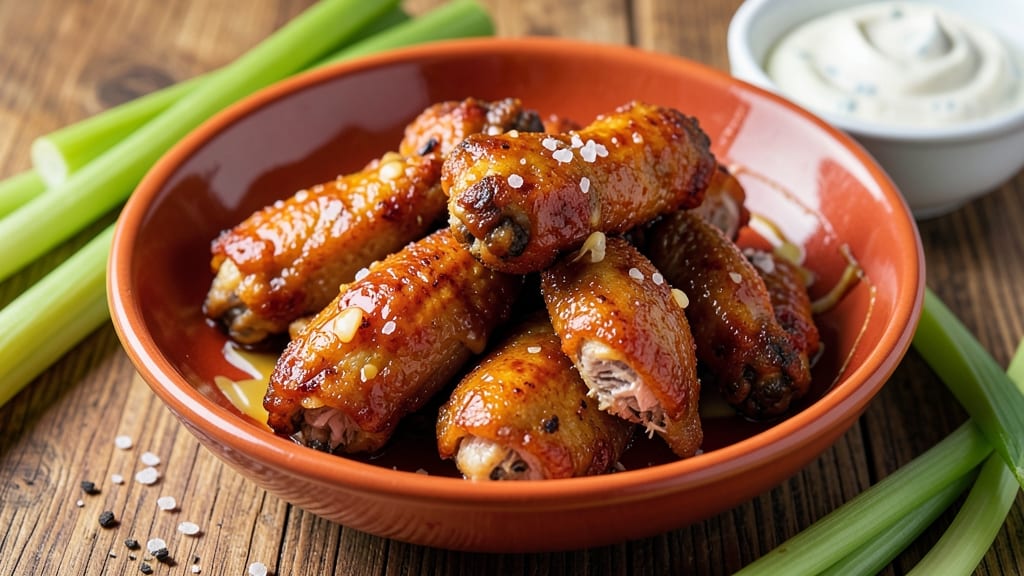
This Anchor Bar buffalo chicken wing sauce recipe delivers the signature spicy-tangy heat that makes every bite unforgettable. The secret lies in balancing hot sauce, melted butter, and a precise blend of spices that creates that signature sticky, slightly sweet, and fiery coating.
I've replicated the iconic Anchor Bar version through years of testing, ensuring the sauce stays vibrant and flavorful long after it's made.
The foundation starts with high-quality hot sauce—Frank's RedHot is traditional, but any quality hot sauce will work. Melted butter adds richness and helps the sauce cling to wings, while spices like garlic powder, onion powder, and a touch of cayenne create depth.
The sauce should be thick enough to coat wings evenly but still pour smoothly, with a sticky consistency that clings to every bite.
What sets this sauce apart is its ability to transform ordinary wings into restaurant-quality masterpieces. The heat builds gradually, starting with a tangy kick that evolves into a deep, spicy finish. This sauce isn't just for wings—it elevates fried chicken, meatballs, and even deviled eggs with the same bold flavor.
The recipe yields enough for multiple batches, so you can stock your freezer for game days and gatherings.
Once you taste the difference between homemade and store-bought, you'll never go back. The sauce keeps well in the refrigerator for up to two weeks or can be frozen for months, making it the perfect make-ahead condiment.
Ready to bring that legendary Anchor Bar flavor to your kitchen? Let's get started.
Ingredients for anchor bar buffalo chicken wing sauce
Nine simple ingredients transform into that iconic sticky, spicy, tangy sauce you crave.
| Ingredient | Amount | Notes |
|---|---|---|
| Hot Sauce 🌶️ | 1 ½ cups | Frank's RedHot preferred |
| Unsalted Butter 🧈 | ½ cup | Melted, full-fat preferred |
| Garlic Powder 🧄 | 1 tbsp | Freshly ground for best flavor |
| Onion Powder 🧅 | 1 tbsp | Fine grind preferred |
| Cayenne Pepper 🔥 | ½ tsp | Adjust for heat preference |
| White Vinegar 💧 | 1 tbsp | For tangy depth |
| Worcestershire Sauce 🍶 | 1 tbsp | Traditional umami base |
| Honey 🍯 | 1 tbsp | Lightens heat slightly |
| Salt 🧂 | ½ tsp | Kosher or sea salt |
| Black Pepper 🌶️ | ¼ tsp | Freshly ground preferred |
The hot sauce is non-negotiable—Frank's RedHot is the gold standard, but any quality hot sauce with bold flavor works. Trader Joe's and Walmart carry it cheaply, but if you're feeling fancy, grab a bottle from the Anchor Bar if you're ever in Buffalo. The butter needs to be full-fat for that rich, velvety texture (none of that low-fat nonsense). Melt it gently—no browning, just smooth and glossy. I usually melt mine in the microwave in 40-second bursts, stirring between each. The garlic and onion powders? Penzeys or the bulk bins at Whole Foods have the best quality—just don't use the dusty stuff that's been sitting on your shelf for a year.
No Frank's RedHot? Crystal or Louisiana hot sauces work in a pinch, but you'll lose that signature tang. Short on honey? Maple syrup at half the amount keeps things sweet but deeper. The Worcestershire sauce is key for that umami kick—Lea & Perrins is the classic choice, but any good brand works. Want it spicier? Add another quarter tsp of cayenne. Mild? Swap cayenne for red pepper flakes at double the amount. The vinegar and honey balance the heat—don't skip either, or you'll end up with something too sharp or too sweet. Pro tip: Taste as you go. Start with half the cayenne and adjust to taste.
This sauce keeps for 2 weeks in the fridge, sealed tightly in a jar. The flavor actually improves over time—it mellows slightly and deepens, which is why it's perfect for making ahead. For freezing, portion into ice cube trays, then transfer to a bag. 3 months in the freezer, no problem. Once frozen, it thaws quickly in the microwave or at room temp. Store-bought sauce can't compete with this—it's worth making a big batch. I always double the recipe for game day prep. Just stir before using, and you're good to go.
Why You'll Love This Recipe
- Here’s what sold me: the cayenne and garlic powder don’t just sit there—they build on the heat. That first bite? Crispy wings coated in a sauce that’s smoky, sharp, and just a little addictive. (Yes, even on a Tuesday night.)
- Five-Ingredient Magic: I swear by this combo—just butter, hot sauce, and those three simple powders. No fancy gadgets, no last-minute grocery runs. The butter melts into the sauce while you stir, and suddenly, you’ve got that perfect tangy-spicy balance without overcomplicating things.
- Spice That Sticks: Here’s what sold me: the cayenne and garlic powder don’t just sit there—they build on the heat. That first bite? Crispy wings coated in a sauce that’s smoky, sharp, and just a little addictive. (Yes, even on a Tuesday night.)
- Game Day Ready: This sauce doesn’t just work for wings—dump it on baked potatoes, toss it with pasta, or slather it on grilled chicken. I’ve used it for Super Bowl snacks, lazy Sunday brunches, and even as a marinade. It’s my secret weapon for turning basic meals into crowd-pleasers.
Step-by-step instructions for Anchor Bar-style Buffalo sauce
This sauce delivers that iconic Buffalo wing flavor—bold, tangy, and perfectly balanced.
Melt the Butter and Combine Wet Ingredients
In a medium saucepan over medium heat, melt the 0.5 cup unsalted butter until completely liquid and just starting to foam. Real talk: don't rush this—you want the butter fully melted before adding anything else. Once melted, reduce heat to low and add the 1.5 cups hot sauce and 1 tablespoon white vinegar.
Stir gently to combine, letting the mixture simmer for 2-3 minutes until it reaches a gentle bubble. You'll notice the sauce starts to thicken slightly and develop a glossy sheen. This is when the flavors begin to meld together—don't walk away, because you want to catch any potential scorching before it happens.
Add Dry Seasonings and Umami Boosters
With the heat still at low, sprinkle in the 1 tablespoon garlic powder, 1 tablespoon onion powder, 0.5 teaspoon cayenne pepper, 0.5 teaspoon salt, and 0.25 teaspoon black pepper. Stir constantly for 1-2 minutes until the spices are fully dissolved and the mixture becomes aromatic. You should smell that unmistakable Buffalo wing scent—smoky, spicy, and slightly sweet.
Here's where it gets good: add the 1 tablespoon Worcestershire sauce and 1 tablespoon honey. The Worcestershire adds that deep umami punch while the honey just slightly balances the heat. Stir one more time to incorporate completely. You might think the honey is too much, but trust me—it rounds out the sauce beautifully without making it cloying.
Simmer and Thicken to Perfection
Increase heat to medium-low and let the sauce simmer uncovered for 8-10 minutes. This is where the magic happens—the sauce will reduce slightly and develop that signature glossy consistency. You're looking for a sauce that coats the back of a spoon but isn't syrupy. If it starts to thicken too much before the time is up, add 1-2 teaspoons of water to loosen it.
The sauce is ready when it's smooth, glossy, and has that perfect balance of heat, tang, and sweetness. Taste it—you should feel the initial kick of heat, followed by the tangy depth, and then that subtle sweet finish. If it needs more heat, add a pinch more cayenne. If it needs more tang, add another ½ teaspoon of vinegar. Adjust to your exact preference.
Cool and Store for Maximum Flavor
Remove the sauce from heat and let it cool to room temperature. I know it's tempting to use it immediately, but letting it sit for 30 minutes allows the flavors to fully develop and meld together. This is especially important if you're making it ahead of time—it tastes even better the next day.
Transfer the sauce to a clean jar or airtight container. It'll keep in the refrigerator for up to 2 weeks, though I rarely have any left that long. When you're ready to use it, give it a good stir—sometimes the spices settle at the bottom. This sauce is the foundation of incredible Buffalo wings, but it's also fantastic for dipping fries, topping burgers, or even drizzling over grilled chicken.
Pro Tips For Making Anchor Bar Buffalo Chicken Wing Sauce
- Melt Butter Slowly: Start with cold butter—drop those cubes straight into the pan while it’s on low heat. I learned this the hard way after splattering cayenne all over my kitchen. Let the butter melt gradually, then turn up the heat to medium before adding hot sauce, or you’ll end up with a greasy, uneven sauce instead of the glossy, clingy glaze you want.
- Strain the Cayenne: Skip the cayenne pepper flakes if you don’t want a grainy texture—trust me, it’s a game-changer. After mixing the sauce, strain it through a fine-mesh sieve to catch any stray seeds or thick chunks. Your sauce will be smoother, and every bite will feel more refined. (Yes, even if you’re serving this to a crowd who won’t notice.)
- Balance the Heat: Taste as you go—this isn’t optional. The Anchor Bar sauce is bold but balanced, not just a cayenne firehose. If it’s too sharp, add a pinch of sugar or a splash of vinegar to cut through. Too mild? A tiny extra pinch of cayenne (or even a dash of smoked paprika) will deepen the flavor without overpowering.
- Use Garlic-Infused Butter: Swap out plain butter for garlic-infused if you’re feeling fancy—or just lazy. Melt 2 tablespoons of the infused butter with the sauce instead of plain, and you’ll get that same restaurant-quality depth without chopping garlic. (Pro move: Buy a jar of the stuff and keep it in the fridge for future wing nights.)
Wine and beer pairings for this dish
Crisp Lager Pairings
For a classic Buffalo wing experience, reach for a crisp American lager like Bud Light Platinum or Coors Banquet. The clean, refreshing carbonation cuts through the sauce's heat while the subtle malt sweetness balances the tangy-spicy profile.
I always keep a six-pack on hand for game day—it's the perfect palate cleanser between bites of fiery wings. 🍺
Hoppy IPAs for Heat Lovers
If you prefer something bolder, a hazy IPA like New Belgium Fat Tire or Sierra Nevada Pale Ale stands up to the sauce's intensity. The citrus and pine notes in the beer complement the honey and Worcestershire in the sauce, creating a delicious contrast.
For maximum flavor, chill your IPA to 38-40°F before serving.
Wine Options for a Fancy Twist
A dry Riesling from Germany or Alsace—like Dr. Loosen Blue Slate—works surprisingly well with Buffalo sauce. The wine's acidity and slight sweetness mirror the sauce's balance of heat and tang.
For red wine lovers, a Pinot Noir with bright fruit notes (such as Meiomi) won't overpower the dish. Serve both wines slightly chilled at 50-55°F.
Non-Alcoholic Refreshers
Don't drink alcohol? Try a ginger beer like Feather Ginger Ale—the spicy ginger complements the cayenne in the sauce beautifully. For something lighter, a sparkling lemonade with a splash of Aperol (just 1 oz per glass) adds a refreshing citrus note.
I like to serve it over ice with a lime wedge for garnish. 💛
Beer Cheese Pairing
For the ultimate game-day combo, serve your Buffalo wings with beer cheese dip made from Sharp Cheddar, Monterey Jack, and a splash of Stout beer (like Guinness). The creamy, malty dip pairs perfectly with the sauce, and both dishes benefit from the same crisp lager or IPA.
This is my go-to for Super Bowl parties—everyone cleans their plates! 🏈
Nutrition facts
Frequently asked questions
Can I make this sauce without Frank's RedHot hot sauce?
Yes, but you'll lose some of the signature tang. Try Crystal or Louisiana hot sauces as substitutes—they're widely available and still deliver bold flavor. For a smoother heat, blend 1 cup hot sauce with 1 tbsp vinegar and 1 tsp honey to mimic the sauce's balance. Adjust cayenne to taste, as these alternatives may vary in spice intensity.
How do I adjust the heat level for kids or sensitive eaters?
Reduce the cayenne to ¼ tsp or swap it entirely for ½ tsp red pepper flakes (which are milder). For extra mildness, add 1 extra tbsp honey to balance the heat. Always taste as you go—you can always add more cayenne later if needed. Kids love dipping their wings in the sauce, so let them control how much they use!
Can I use this sauce on foods other than wings?
This versatile sauce elevates fried chicken, meatballs, deviled eggs, and even grilled shrimp. For non-meat options, try drizzling it over mac and cheese or loaded baked potatoes. The key is to use it as a finishing sauce—add it after cooking to preserve its vibrant color and bold flavor.
Why did my sauce turn out too thin or too thick?
Thin sauce? Simmer uncovered for 5-10 extra minutes to reduce it. Too thick? Thin with 1 tsp water or vinegar while warm. The ideal consistency coats the back of a spoon but still pours smoothly. If you're in a hurry, chill the sauce for 30 minutes—it thickens as it cools. Always taste and adjust while warm for best results.
How do I store leftover sauce?
Transfer to an airtight container and refrigerate for up to 2 weeks. For longer storage, freeze in ice cube trays (thaw quickly in the microwave) or 1-cup portions in freezer bags. The sauce actually improves with time—flavors meld and heat mellows slightly. Label with the date and reheat gently on the stove or microwave for 20 seconds before using.