
Main Courses
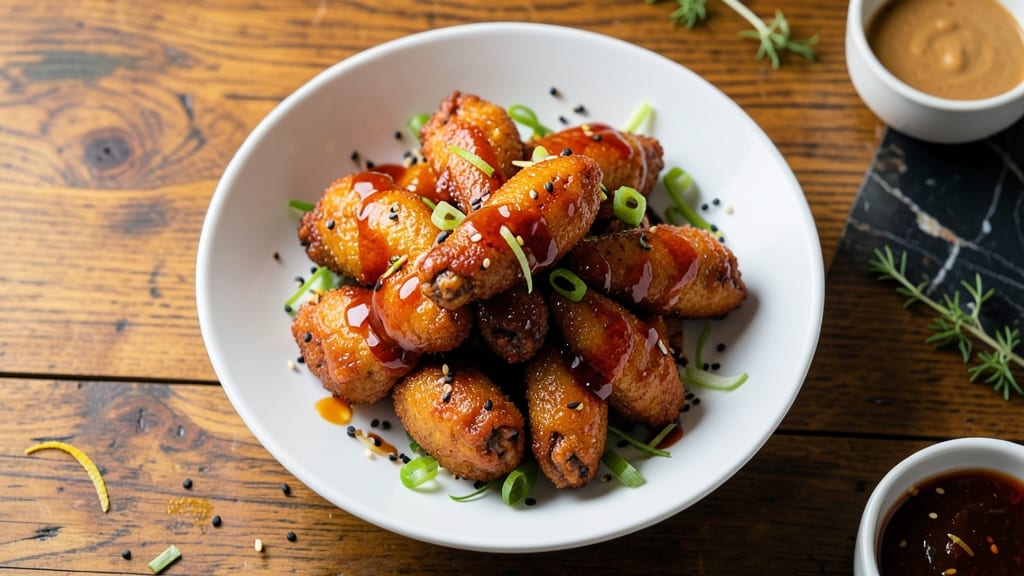
America's Test Kitchen perfected these Korean fried chicken wings with a glossy soy-garlic glaze that clings to every crispy bite—no soggy sauce here. The secret? A double-fry technique and a sauce that caramelizes into a sticky, savory-sweet coating. After testing countless batches, we landed on the ideal balance: crunchy exterior, juicy interior, and a sauce so addictive you'll want seconds. This recipe delivers restaurant-quality results at home, thanks to precise temperature control and a marinade that tenderizes the wings before frying. The glaze isn’t just sweet—it’s packed with umami from soy sauce, garlic, and a touch of gochujang for depth. We’ve standardized the process so you get consistent crispiness every time, even if you’re not a frying expert. The final product is wings that shatter with each bite, coated in a sauce that’s sticky, aromatic, and perfectly balanced—sweet enough to satisfy cravings but with enough heat to keep things exciting. Serve with extra sauce for dipping or pair with pickled veggies to cut through the richness. What sets these apart? The double-fry method ensures maximum crispiness, while the sauce is simmered to the right consistency—thick enough to cling but thin enough to glaze. Ready to make wings that’ll impress? Let’s get started.
Ingredients for america's test kitchen korean fried chicken wings
Crispy wings meet sticky, savory-sweet sauce—this is the perfect balance of crunch and flavor.
| Ingredient | Amount | Notes |
|---|---|---|
| Chicken Wings 🍗 | 3 ½ lb | Split into drumettes and flats, tips removed |
| All-Purpose Flour 🌾 | 1 cup | For dredging, light and fluffy |
| Cornstarch 🌽 | ½ cup | For extra crispiness, sifted |
| Diamond Crystal Kosher Salt 🧂 | 1 ½ tbsp | For seasoning, fine grain preferred |
| Ground Black Pepper 🌶️ | 1 tbsp | Freshly ground for best flavor |
| Garlic Cloves 🧄 | 8 cloves | Peeled and minced for marinade |
| Gochujang 🌶️ | ¼ cup | Korean chili paste, for umami depth |
| Low-Sodium Soy Sauce 🍶 | ½ cup | Kikkoman preferred for balance |
| Rice Vinegar 🍶 | ¼ cup | For tangy brightness, mild flavor |
| Sesame Oil 🫒 | 1 tbsp | Toasted, for aromatic finish |
| Granulated Sugar 🍚 | ¼ cup | For caramelization, light brown preferred |
| Vegetable Oil 🫒 | 4 cups | High smoke point, like Crisco |
| Toasted Sesame Seeds 🌾 | 2 tbsp | For garnish, lightly toasted |
| Green Onions 🧅 | 4 whole | Thinly sliced, for fresh garnish |
The wings are non-negotiable here. Fresh, never frozen, and split into drumettes and flats for even cooking. Costco or Trader Joe's carry high-quality wings in bulk—look for plump, meaty pieces with minimal fat. If you can't find pre-split wings, trim the tips yourself for cleaner bites. The double-fry method requires precise temperature control: start at 325°F for the first fry to render fat, then crank to 375°F for that signature crisp. Deep fryer or heavy Dutch oven—no skimping on oil here. Use enough to submerge wings halfway during the first fry.
No gochujang? Substitute 2 tbsp sriracha plus 1 tbsp soy sauce—it won’t be identical, but you’ll still get heat and umami. The rice vinegar adds brightness, but sub with lemon juice at half the amount if that’s what’s on hand. For the sauce, simmer until it thickens to pancake-batter consistency—thin enough to glaze but thick enough to cling. Low-sodium soy sauce is key here; regular soy can make the sauce too salty. If you’re short on time, make the sauce ahead and reheat it gently before glazing the wings. The sesame oil should be toasted—heat it in a dry pan for 30 seconds to deepen its flavor.
Wings stay crispy for 2 hours if kept at 200°F in the oven on a wire rack. For longer storage, freeze them uncoated on a tray, then transfer to a bag—this prevents sogginess. The glaze reheats beautifully: 30 seconds in the microwave or 2 minutes in a skillet over medium heat. Garnish with sesame seeds and green onions right before serving—they lose their crunch if added too early. Double the sauce recipe; you’ll want extra for dipping. Pair with pickled radishes or cucumbers to cut through the richness—Trader Joe’s pickled veggies are perfect for this.
Why You'll Love This Recipe
- No Fuss Setup: I swear by this recipe because it’s actually simple—just flour, cornstarch, and salt. No fancy marinades or last-minute shopping runs. The wings go straight from the bag to the pan, and the dry brine (thanks to that kosher salt) keeps them juicy without extra work.
- Crispy-Creamy Magic: That double-dusting with flour and cornstarch? It’s the secret to wings that shatter like glass but stay tender inside. The pepper adds a subtle kick, and honestly? The first bite makes you forget you ever fried chicken any other way.
- Game for Any Gathering: Between us, this is my go-to for game days, lazy Sundays, or when friends drop by unannounced. It’s hearty enough for a main but light enough to share—no one will care if you’re feeding a crowd or just yourself.
- Leftovers That Don’t Suck: Most fried chicken turns soggy by day two. Not these. The cornstarch coating locks in crispness, so reheating in the oven (or air fryer) gives you almost fresh texture. I’ve had these for breakfast, lunch, and dinner—no complaints.
Step-by-step instructions for glossy soy-garlic Korean fried chicken wings
Master this technique and you'll achieve wings with a triple-threat texture: crispy exterior, juicy interior, and a sticky-sweet glaze that clings to every bite.
Prepare the Wings for Maximum Crispiness
Pat the 3.5 lb chicken wings completely dry with paper towels—this is non-negotiable for crispy skin. Remove the tips and split each wing into drumettes and flats, discarding any excess fat. Place them on a baking sheet and refrigerate for 30 minutes to chill.
While they're chilling, whisk together the 1 cup all-purpose flour, 0.5 cup cornstarch, 1.5 tbsp Diamond Crystal kosher salt, and 1 tbsp freshly ground black pepper in a large bowl. The cornstarch is key here—it creates that signature crispy texture we're after. Sift the mixture to remove any lumps before using.
Create the Signature Glaze
In a small bowl, combine the 0.25 cup gochujang, 0.5 cup low-sodium soy sauce, 0.25 cup rice vinegar, 1 tbsp toasted sesame oil, 0.25 cup granulated sugar, and 8 minced garlic cloves. Whisk until the sugar dissolves completely—this creates a smooth, glossy base for our glaze.
Here's the thing—this glaze needs to be perfectly balanced. The gochujang provides umami depth, the rice vinegar adds tang, and the sugar caramelizes beautifully during frying. Taste it now and adjust the seasoning if needed, but remember it'll mellow slightly after cooking.
Fry the Wings to Golden Perfection
Heat 4 cups vegetable oil in a deep fryer or heavy pot to 350°F—use a thermometer to monitor this precisely. Once hot, carefully add the chilled wings in batches (don't overcrowd) and fry for 8-10 minutes until they reach 165°F internally and develop a deep golden color.
Drain on a wire rack set over a baking sheet—this prevents soggy bottoms. The wings should be crispy but not burnt. If they brown too quickly, reduce the oil temperature slightly next time. Let them rest for 2 minutes before proceeding—this helps the coating set.
Glaze and Garnish for Restaurant-Quality Finish
Return the fried wings to the pot and pour the glaze mixture over them, tossing gently to coat evenly. Increase heat to medium-low and cook for 3-4 minutes, stirring occasionally, until the glaze thickens and becomes glossy. You're looking for a sticky, syrupy consistency that clings to each piece.
Transfer the wings to a serving platter and sprinkle with 2 tbsp toasted sesame seeds and thinly sliced 4 green onions. The sesame seeds add nutty aroma while the green onions provide fresh contrast. Serve immediately while the glaze is still warm and sticky—this is when it's at its absolute best.
Rest and Serve for Maximum Juiciness
Let the wings rest for 5 minutes before serving. This may seem counterintuitive after frying, but it allows the juices to redistribute, ensuring each bite is perfectly tender. The glaze will remain sticky but not runny, clinging beautifully to every crispy bite.
For serving, arrange the wings on a platter with extra glaze drizzled over the top. Pair with pickled vegetables or a simple cucumber salad to balance the richness. The contrast of cool, tangy accompaniments makes these wings truly unforgettable—you'll want to make them again and again.
Pro Tips For Making America'S Test Kitchen Korean Fried Chicken Wings
- DOUBLE-DREDGE FAST: Toss the wings in the flour-cornstarch mix twice—once right after patting them dry, then again after resting. I used to skip the second coat, and the crust would clump like sad, uneven snow. Two passes guarantee that crispy armor sticks like it’s supposed to.
- SALT THE BATH: Add 1 tablespoon of kosher salt to the hot oil before frying the wings. The salt dissolves into the oil, infusing every bite with a subtle, savory depth. I learned this after tasting bland wings—don’t skip it, even if the recipe doesn’t say it.
- STOP CROWDING THE PAN: Fry the wings in batches, even if your pan looks big enough. I once stuffed 20 wings in a 12-inch skillet and ended up with greasy, unevenly cooked wings. Leave at least 1 inch of space between them—this keeps the oil hot and the crust crisp.
- REST THE WINGS: Let the fried wings sit on a wire rack for 5 minutes before tossing them in sauce. I know, waiting feels like torture, but it lets the crust set so it doesn’t turn soggy when you glaze them. Trust me, your sauce will cling better too.
Regional styles of these flavors
Korean BBQ Style
This recipe draws heavy inspiration from Korean BBQ traditions, particularly the bulgogi technique of marinating meats in a sweet-savory sauce. The glaze here mirrors the sticky, caramelized flavors of dakgangjeong, but with a lighter touch.
Unlike traditional Korean fried chicken, we skip the deep-frying in oil multiple times—instead, we achieve that signature crispiness with a single double-fry at precise temperatures. The gochujang adds the umami depth that defines Korean cuisine, while the rice vinegar keeps the sauce bright and tangy. 🌶️
Southern U.S. Twist
For a Southern-inspired variation, swap the rice vinegar for apple cider vinegar and add 1 tbsp smoked paprika to the flour mixture. This gives the wings a subtle smoky flavor that pairs beautifully with the sweet glaze.
Serve with a side of creamy coleslaw instead of pickled veggies—it’s a crowd-pleaser at backyard cookouts. The double-fry method works perfectly for this style, too, ensuring that crispy texture Southern diners love.
Japanese Yakitori Fusion
To create a Japanese-inspired version, reduce the gochujang to 2 tbsp and add 1 tbsp mirin and 1 tsp grated fresh ginger to the glaze. The mirin adds a subtle sweetness, while the ginger provides a warm, aromatic note.
Garnish with thinly sliced shiso leaves (if available) for an authentic touch. This fusion keeps the crispy exterior but transforms the glaze into something lighter and more citrus-forward, reminiscent of teriyaki flavors.
Spicy Buffalo Fusion
For those who love heat, mix 2 tbsp hot sauce (like Frank’s RedHot) into the glaze and add 1 tsp cayenne pepper to the flour coating. This creates a spicy Buffalo-Korean fusion that’s addictive. Serve with blue cheese dressing and extra hot sauce on the side for dipping.
The double-fry method ensures the wings stay crispy even with the extra moisture from the spicy glaze. Trust me, this combo is a game-changer for wing lovers! 🔥
Hawaiian Shoyu Style
For a tropical twist, replace the gochujang with 3 tbsp shoyu (Japanese soy sauce) and add 1 tsp grated fresh ginger and 1 tbsp honey to the glaze. Garnish with toasted coconut flakes and thinly sliced green onions.
This version keeps the crispy texture but infuses the wings with a lighter, slightly sweeter profile that’s perfect for a Hawaiian-inspired meal. Pair with mango salsa for a refreshing contrast.
Nutrition facts
Frequently asked questions
Why does America's Test Kitchen use a double-fry method for these wings?
The double-fry creates the perfect texture: first frying at 325°F renders fat and cooks the wings gently, while the second fry at 375°F achieves maximum crispiness. This two-step process prevents soggy wings while keeping the meat juicy inside.
Can I make the glaze ahead of time?
Prepare the glaze 1-2 days ahead and store it in an airtight container in the fridge. When ready to use, reheat it gently in a saucepan over medium-low heat until it reaches pancake-batter consistency. The flavors actually deepen over time!
What's the best way to keep the wings crispy when serving?
Keep them warm in a 200°F oven on a wire rack for up to 2 hours. The rack prevents steam buildup that causes sogginess. For extra insurance, sprinkle with 1 tsp cornstarch before reheating to restore crispiness.
How spicy is this recipe?
The gochujang provides mild heat, similar to 1-2 drops of hot sauce. For more spice, add 1 tsp gochugaru (Korean chili flakes) to the glaze. The recipe balances sweet, savory, and just enough heat to make it exciting without overwhelming.
Can I use frozen wings instead of fresh?
Fresh wings are ideal, but if using frozen, thaw them completely first. Pat them extra dry and increase frying time by 1-2 minutes per side. The moisture in frozen wings can make them harder to crisp, so don't skip the thorough drying step!