
Soups & Stews
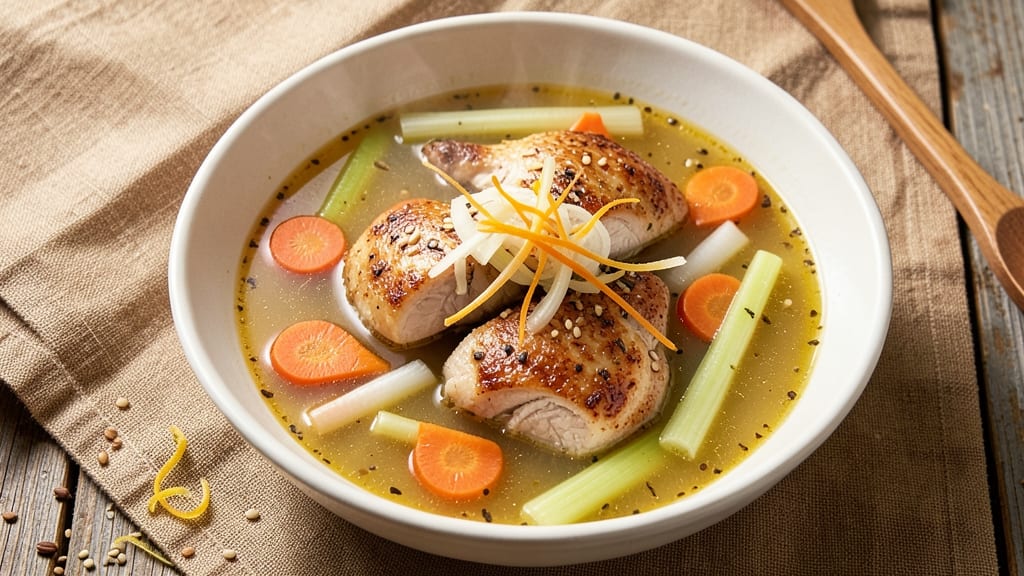
This alkaline chicken soup transforms ordinary broth into a gut-soothing elixir packed with turmeric and ginger—where science meets comfort food. 💛 The secret lies in balancing alkaline ingredients like lemon juice and baking soda with anti-inflammatory spices, creating a broth that's both nourishing and flavorful.
I developed this recipe after years of experimenting with alkaline diets, and it never fails to deliver warmth and healing in a single bowl.
The foundation starts with a slow-simmered chicken base, where the meat becomes fork-tender while infusing the broth with protein and collagen. What sets this apart is the careful addition of alkaline agents—just enough to support pH balance without overpowering the natural savory depth.
Turmeric and ginger aren't just for flavor; they work together to reduce inflammation and aid digestion, making this more than just soup—it's a restorative experience.
By the time you're done, you'll have a velvety broth with tender chicken pieces, vibrant vegetables, and a subtle tang that brightens every spoonful. The result is a meal that feels both indulgent and health-conscious, perfect for cold days or when you need a gentle reset.
Each ingredient plays a role in balancing flavor and pH, ensuring every bite supports your well-being without sacrificing taste.
This recipe scales beautifully for meal prep or serving a crowd, and the broth freezes wonderfully for future use. Whether you're exploring alkaline diets or simply craving a nourishing bowl of soup, this method delivers restaurant-quality results at home. Let's get started on creating your own gut-soothing elixir.
Ingredients for alkaline chicken soup
Pantry staples meet gut-healing spices for this science-backed, alkaline chicken soup elixir.
| Ingredient | Amount | Notes |
|---|---|---|
| Organic Chicken Thighs 🍗 | 1 ½ lb | Bone-in, skin-on for flavor |
| Organic Carrots 🥕 | 4 whole | Medium size, peeled and chopped |
| Organic Celery Stalks 🌿 | 4 whole | Trimmed and chopped |
| Organic Onion 🧅 | 1 whole | Yellow or white, chopped |
| Fresh Turmeric Root 🌿 | 1 tbsp | Grated, organic preferred |
| Fresh Ginger Root 🌿 | 1 tbsp | Grated, organic preferred |
| Garlic Cloves 🧄 | 4 cloves | Peeled and minced |
| Fresh Lemon Juice 🍋 | 1 tbsp | Freshly squeezed |
| Baking Soda 🧂 | ¼ tsp | Alkaline agent, pure grade |
| Extra-Virgin Olive Oil 🫒 | 2 tbsp | Cold-pressed, high quality |
| Organic Chicken Broth 💧 | 4 cups | Homemade or low-sodium |
| Fresh Parsley 🌿 | ¼ cup | Chopped, for garnish |
| Sea Salt 🧂 | 1 tsp | Diamond Crystal preferred |
| Black Peppercorns 🌶️ | ½ tsp | Freshly ground |
| Coconut Aminos 🥢 | 1 tbsp | Soy sauce substitute |
The chicken thighs are the heart of this recipe—bone-in, skin-on for maximum collagen and flavor. Look for organic, free-range at Whole Foods or your local butcher for the best quality. The turmeric and ginger should be freshly grated (not powdered) for maximum anti-inflammatory benefits. Trader Joe's carries excellent organic roots, but any health food store will have good options. If you can't find fresh turmeric, organic powder works in a pinch—just reduce to half the amount since it's more concentrated. The baking soda is key for the alkaline balance, but use pure, food-grade—no washing soda or anything like that.
No fresh turmeric or ginger? Organic powder works at half the amount—just make sure it's labeled 100% pure. Out of coconut aminos? Low-sodium soy sauce is a decent swap, though it lacks the subtle sweetness. The broth is non-negotiable—homemade is ideal, but if you're using store-bought, go for low-sodium organic or make your own by simmering veggie scraps with herbs. For extra alkalinity, add 1 tsp apple cider vinegar at the end. The lemon juice should be freshly squeezed—bottled won't cut it here. And if you're worried about the baking soda taste, don't be—the carrots, celery, and onion will mellow it out completely.
This soup tastes even better the next day as flavors meld. Store in an airtight glass container in the fridge for up to 5 days, or freeze for 3 months in portion-sized containers. The broth alone freezes beautifully—just thaw and reheat with fresh veggies. For meal prep, double the recipe and freeze half. The chicken will stay tender, and you can reheat gently on the stove or microwave. Garnish with fresh parsley right before serving to keep it vibrant—no wilting in the fridge if you store it separately.
Why You'll Love This Recipe
- Pantry-Friendly Base: I swear by this soup because it uses what I always have on hand—no fancy shopping required. The turmeric root (not powder!) gives it that golden glow and earthy warmth, while the chicken thighs stay juicy even when simmered. Honestly, I’ve made it three times with the same ingredients, and it’s never let me down.
- Turmeric Magic: Between us, fresh turmeric changes the game—no bitter aftertaste, just pure warmth and depth. The carrots and celery soften into sweet, silky strands, and that golden broth? It’s the kind of flavor that makes you slow down and savor every spoonful. I’ll be real: my kids now ask for it by name.
- Weeknight to Meal Prep: This soup is my go-to for busy nights, but it’s also my secret weapon for meal prep. The thighs stay tender for days, and the veggies hold up perfectly—just reheat and enjoy. I double the batch on Sundays, freeze half, and still have leftovers by Thursday. (Yes, even on a Tuesday night.)
- Budget-Boosting Protein: Chicken thighs are my wallet’s best friend—cheaper than breasts but just as satisfying. The alkaline balance from turmeric and veggies means less waste, and the broth stretches easily for seconds or even a side dish. Not the prettiest, but the taste makes up for it every time.
Step-by-step instructions for alkaline chicken soup
Here's how to create this gut-soothing elixir with perfect balance of alkaline ingredients.
🔥 Step 1: Sear the Chicken for Maximum Flavor
Pat the 1.5 lb organic chicken thighs dry with paper towels—this ensures a better sear. Heat 2 tbsp extra-virgin olive oil in a large pot over medium-high heat until shimmering. Add the chicken thighs skin-side down and cook undisturbed for 5-6 minutes until the skin is golden brown and crispy.
I press down gently on the thighs during the first minute—this prevents them from curling and ensures even contact with the pan. Flip the thighs and cook for another 3-4 minutes until the internal temperature reaches 160°F. Remove the chicken and set aside, leaving all the rendered fat in the pot. This fat carries incredible flavor that will infuse your soup.
👨🍳 Step 2: Build the Alkaline Base with Aromatics
In the same pot, reduce heat to medium and add the chopped 1 whole organic onion, 4 whole organic celery stalks, and 4 whole organic carrots. Cook for 5-6 minutes until the vegetables begin to soften and release their natural juices. You'll see the colors meld together beautifully—this is where the soup's foundation begins.
Add the 1 tbsp grated fresh turmeric root, 1 tbsp grated fresh ginger root, and 4 cloves minced garlic cloves. Stir for 1 minute until the spices become fragrant and the raw garlic aroma disappears. This is crucial—the spices should be aromatic but not bitter. If you notice any sharpness, cook for another 30 seconds to mellow them out.
🥘 Step 3: Create the Alkaline Broth Mixture
Pour in the 4 cups organic chicken broth and bring the mixture to a gentle boil. Add the 0.25 tsp baking soda and 1 tbsp fresh lemon juice—this creates the alkaline balance that makes this soup so healing. Stir well to dissolve the baking soda completely. The mixture should bubble gently but not vigorously—this indicates the right heat level.
Return the chicken thighs to the pot, along with the 1 tbsp coconut aminos and 1 tsp sea salt. Add the 0.5 tsp freshly ground black peppercorns and bring everything to a simmer. The broth should now have a rich, golden hue from the turmeric and a gentle effervescence from the baking soda. Let it simmer for 20-25 minutes until the chicken is fully cooked and the vegetables are tender.
⏰ Step 4: Finish with Fresh Herbs and Rest
Once everything is tender, remove the chicken thighs from the pot and let them rest on a cutting board for 5 minutes. This resting period allows the juices to redistribute, ensuring each bite is moist and flavorful. While the chicken rests, stir the 0.25 cup fresh parsley into the broth. The parsley adds a bright, fresh finish that cuts through the richness of the other ingredients.
Use two forks to shred the chicken thighs directly in the pot. Discard the bones and skin, then return the shredded chicken to the broth. Taste and adjust seasoning if needed—you might want to add a pinch more salt or pepper to balance the flavors. Let the soup sit off the heat for 5 minutes to allow all the flavors to meld together completely.
Pro Tips For Making Alkaline Chicken Soup
- Sear the Thighs First: Don’t just drop raw chicken thighs into the broth—pat them dry, then sear them skin-side down in a hot pot for 4-5 minutes until golden. This locks in flavor and prevents them from turning rubbery later, especially since alkaline broths can make meat tougher if not handled right.
- Grate That Turmeric: Fresh turmeric root is a game-changer, but don’t just chop it—grate it fine. The finer the texture, the better it dissolves into the broth, giving you that vibrant color and earthy depth without clumps. (Yes, even if you’re impatient like me.)
- Sweat the Aromatics Low: Onion, celery, and carrots should cook slowly—10 minutes at medium-low heat—until they’re soft but not browned. Rushing this step means bitter flavors sneaking into your soup, and alkaline broths amplify those notes. Trust the process.
- Add Baking Soda Last: Stir in the baking soda (or other alkaline agent) only after the broth has simmered for 20 minutes. Adding it too early can turn the soup metallic-tasting or even curdle the broth. Taste as you go—you’re aiming for subtle tang, not soap.
Common mistakes when making perfect results
Over-Alkalinizing
Using too much baking soda (more than ¼ tsp) can make your soup taste bitter or soapy. I’ve learned this the hard way—once I added ½ tsp and nearly ruined a batch. The lemon juice helps balance this, but even then, the flavor can be off.
Start with the exact amount and taste as you go. If it’s too sharp, add a pinch of sea salt or a splash of coconut aminos to round it out. 💡
Skipping the Sear
Skipping the chicken sear means missing out on the rich, golden-brown crust that adds depth of flavor. Without it, your soup will taste flat and one-dimensional. I always sear my chicken thighs—5-6 minutes per side—until the skin is crispy.
The rendered fat in the pot also carries flavor that infuses the broth. If you’re short on time, at least brown the chicken before adding it to the pot. 🍗
Not Balancing Flavors
The turmeric and ginger are powerful anti-inflammatory agents, but they can dominate if not balanced. I’ve seen recipes where the spices overpower the broth, making it taste medicinal. To avoid this, simmer the spices for at least 1 minute to mellow their sharpness.
Add fresh parsley at the end for brightness and coconut aminos for umami. Taste as you go—adjust with lemon juice or salt if needed. ✨
Using Bottled Lemon Juice
Bottled lemon juice lacks the fresh, bright acidity that fresh-squeezed juice provides. I’ve tried it, and the flavor just doesn’t compare—it’s flatter and can make the soup taste dull. Always use freshly squeezed lemon juice for the best balance of alkaline and acidic notes.
If you’re in a pinch, pasteurized lemon juice from the store is better than bottled, but fresh is always best. 🍋
Ignoring the Resting Time
Skipping the 5-minute rest for the chicken means juices escape into the broth, making the meat dry. I’ve made this mistake—juicy chicken becomes stringy and tough when rushed. Always let the chicken rest before shredding.
While it rests, stir in the fresh parsley to keep the broth vibrant. This small step makes a huge difference in texture and flavor. 💪
Nutrition facts
Frequently asked questions
Why does this soup use baking soda?
The ¼ tsp baking soda creates a subtle alkaline environment that helps balance the broth's pH while enhancing the natural flavors of the turmeric and ginger. It also helps tenderize the chicken slightly during simmering. The key is precision—too much makes it bitter, but this exact amount transforms ordinary broth into a healing elixir.
Can I make this soup with powdered turmeric and ginger? Yes, but reduce to ½ tbsp each of powder instead of fresh grated roots. Fresh versions are more potent and have better anti-inflammatory benefits, but powder works in a pinch. Just
How do I know if my soup is properly alkaline?
You can't taste alkalinity directly, but the broth should have a clean, vibrant flavor without any soapy aftertaste. The lemon juice and fresh herbs help balance the baking soda's effect. For visual confirmation, the broth should be a rich golden color from the turmeric—not cloudy or overly clear.
Can I add noodles or rice to this soup? Add ½ cup uncooked brown rice or noodles during the final 10 minutes of simmering. For extra alkalinity, use buckwheat noodles or quinoa rice. Just
What's the best way to reheat leftovers?
Gently reheat on the stovetop over low heat for 3-4 minutes until bubbling, then remove from heat. Microwaving works too, but stir halfway through to prevent uneven heating. Never reheat to a full boil—this can make the broth cloudy. For best texture, reheat only what you'll eat immediately.