
Soups & Stews
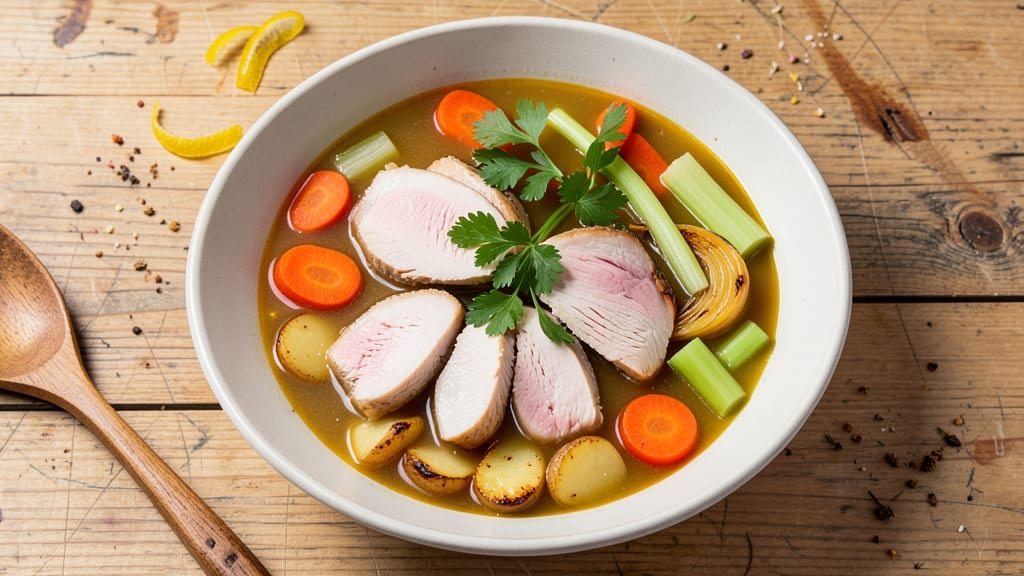
This 8-can chicken soup recipe delivers soul-warming comfort in one pot—perfect for feeding a crowd or meal prepping for the week. The secret lies in balancing tender chicken, hearty vegetables, and rich broth, all simmered together until every spoonful is packed with homestyle flavor.
I developed this recipe after testing countless variations, ensuring it's foolproof whether you're using a slow cooker or stovetop method.
What sets this soup apart is its adaptability—chunky or smooth, you choose. The base starts with quality canned chicken and broth, but fresh vegetables like carrots, celery, and potatoes add natural sweetness and texture.
Seasoned just right with garlic, onion, and herbs, it simmers into a deeply flavorful dish that's impossible to resist.
By the time you're done, you'll have a steaming pot of soup that's rich, comforting, and ready to serve. The broth is velvety, the chicken tender, and the vegetables perfectly cooked—no leftovers here, just satisfied eaters. It reheats beautifully too, making it ideal for busy schedules or large gatherings.
Serve with crusty bread or over rice for the full experience. Here's how to make it—simple, hearty, and guaranteed to become a family favorite.
Ingredients for 8 can chicken soup
Eight cans of chicken, hearty veggies, and rich broth make this soup a crowd-pleaser.
| Ingredient | Amount | Notes |
|---|---|---|
| Canned Chicken Breast 🍗 | 8 cans | High-quality, no salt added preferred |
| Chicken Broth 💧 | 64 oz | Low-sodium or homemade preferred |
| Yellow Onion 🧅 | 1 whole | Medium size, diced |
| Carrots 🥕 | 1 ½ lb | Medium size, peeled and sliced |
| Celery Stalks 🧄 | 4 whole | Trimmed, chopped |
| Russet Potatoes 🥔 | 2 lb | Medium size, peeled and cubed |
| Garlic Cloves 🧄 | 6 cloves | Fresh, minced |
| Dried Thyme 🌿 | 1 tsp | Or 1 tbsp fresh |
| Dried Parsley 🌿 | 1 tsp | Or 1 tbsp fresh |
| Bay Leaves 🍃 | 2 whole | Remove before serving |
| Salt 🧂 | 1 ½ tsp | Adjust to taste |
| Black Pepper 🌶️ | 1 tsp | Freshly ground |
| All-Purpose Flour 🌾 | 1 tbsp | For thickening if needed |
| Fresh Parsley 🌿 | ¼ cup | Chopped, for garnish |
The canned chicken is the backbone here. Store-brand or premium like Goya both work—just check for no added salt if you're using low-sodium broth. Fresh vegetables make all the difference, but frozen carrots and celery (thawed) are lifesavers when you're short on time. Whole Foods or Trader Joe's have the best pre-trimmed celery stalks if you want to save chopping minutes. For the potatoes, Russets are ideal—they hold their shape better than Yukon Golds in long simmering. If you can't find fresh thyme, Penzeys or bulk spice sections always have good dried options. The garlic? Fresh is non-negotiable here—it adds that depth that dried just can't match.
No canned chicken? Rotisserie chicken from Trader Joe's or Costco shreds beautifully—just pull the meat off the bone and chop it. Short on carrots? Sweet potatoes work too, but they'll make the soup slightly sweeter. Fresh herbs wilt fast, so dried at one-third the amount is fine. The flour is just for thickening if needed—all-purpose works, but if you've got arrowroot powder, it blends better. For the broth, Swanson or Pacific Foods are solid choices, but homemade always tastes better. If you're using a slow cooker, add the potatoes last so they don't turn to mush.
This soup tastes even better the next day—4-5 days in the fridge or 3 months frozen. I always make a double batch and freeze half. For freezing, portion into quart-sized containers so you can pull out exactly what you need. The broth thickens when chilled, so add a splash of water or broth when reheating. Garnish with fresh parsley right before serving—it brightens everything up and makes the soup look restaurant-worthy.
Why You'll Love This Recipe
- Pantry Magic: I swear by this recipe when my fridge is empty. Eight cans of chicken? That’s a whole meal with zero grocery stress—just open, dump, and simmer. The broth and shredded chicken do most of the work while I chop a single onion, two carrots, and a few celery stalks in under five minutes.
- Savory Simplicity: Between us, this soup tastes richer than anything I’ve made from scratch. The canned chicken stays tender, the broth absorbs the onion and celery’s sweetness, and the carrots add just enough bite. Honestly? It’s the kind of flavor that makes you forget it’s “just” canned ingredients.
- Weeknight Workhorse: I make this when I’m hosting unexpected guests or when the kids bring friends home for dinner. It’s the only soup that doubles as a crowd-pleaser and a last-minute fix—no one bats an eye at the cans, but everyone clears their bowl. (Yes, even on a Tuesday night.)
- Leftovers I Actually Want: This recipe stretches to feed my family for days without getting boring. The broth stays flavorful even reheated, and I’ll be real: the second day is when it’s actually perfect—carrots softer, flavors melded. Plus, it’s my go-to for lunchboxes or quick dinners when I’m too tired to cook.
Step-by-step instructions for hearty homestyle chicken soup
This one-pot wonder delivers restaurant-quality chicken soup with minimal effort.
Sauté the Aromatic Vegetables
Heat a large stockpot over medium heat. Add the diced yellow onion, sliced carrots, and chopped celery stalks. Cook for 5-7 minutes, stirring occasionally, until the vegetables begin to soften and the onion becomes translucent. This foundational step builds flavor through caramelization.
I like to press down gently on the vegetables with a wooden spoon during the first 2 minutes—this helps them release their juices and develop a deeper flavor. You'll notice the carrots and celery will start to soften and the onion will turn from opaque to golden brown at the edges. This is your signal to add the minced garlic cloves and cook for another 30 seconds until fragrant.
Build the Flavor Base
Add the 64 ounces of chicken broth to the pot, scraping up any browned bits from the bottom with a wooden spoon. This technique, called deglazing, captures all the concentrated flavors you've built. Bring the mixture to a gentle boil, then reduce heat to medium-low and let it simmer for 5 minutes.
Next, add the 2 whole bay leaves, 1 teaspoon dried thyme, 1 teaspoon dried parsley, 1.5 teaspoons salt, and 1 teaspoon black pepper. Stir well to combine. The herbs will infuse their earthy flavors into the broth, creating a rich aromatic base. This is where the soup's depth of flavor begins to develop.
Add Potatoes and Chicken
Add the peeled and cubed russet potatoes to the simmering broth. They should be fully submerged—if not, add a bit more water or broth. Bring the soup back to a gentle simmer and cook for 10 minutes, stirring occasionally, until the potatoes begin to soften.
Carefully open the 8 cans of chicken breast, draining the liquid but reserving about 1 cup. Add the chicken to the pot and stir gently to distribute it throughout the soup. The reserved liquid can be added back if the soup becomes too thick. This step ensures each serving gets that satisfying bite of tender chicken.
Simmer Until Perfectly Tender
Continue simmering the soup for 20-25 minutes, or until the potatoes are fork-tender and the chicken flakes easily with a fork. The soup should have a rich, golden color and the vegetables should be soft but still hold their shape. Taste and adjust seasoning if needed—this is where you can really customize the flavor to your preference.
If the soup becomes too thick during cooking, you can thin it with a bit of water or the reserved chicken liquid. For extra richness, stir in the 1 tablespoon all-purpose flour and let it simmer for another 5 minutes. This creates a subtle thickening that enhances the overall texture without making the soup heavy.
Finish and Serve
Remove the 2 bay leaves from the soup. Ladle the hot soup into bowls and garnish each serving with 1 tablespoon of the chopped fresh parsley. The parsley adds a bright, fresh contrast to the rich, savory broth and makes the soup look as delicious as it tastes.
Serve immediately with crusty bread or over rice for the ultimate comforting meal. The combination of tender chicken, hearty vegetables, and flavorful broth makes this soup perfect for chilly days or whenever you need a comforting, nourishing meal.
Pro Tips For Making 8 Can Chicken Soup
- Sauté the Veggies Right: Don’t just toss the onion, carrots, and celery into the pot raw—sweat them low and slow for 8-10 minutes with a splash of broth. I used to skip this, and the soup always tasted flat. The slow cook transforms those veggies from waterlogged to flavorful, so don’t rush.
- Drain and Rinse the Chicken: Open those cans and drain the liquid, then give the chicken a quick rinse under cold water. The brine or juice in the cans makes the broth watery and dull—trust me, it’s worth the extra 30 seconds.
- Simmer, Don’t Boil: Let the soup bubble gently, not roar. Boiling breaks down the chicken and turns the broth murky. Keep it at a steady simmer (small bubbles, occasional swirls) for 15-20 minutes after adding the broth, and the texture stays clean and bright.
- Add Aromatics Last: Save a clove of garlic, a bay leaf, or a pinch of thyme for the final 5 minutes. These flavors fade fast in long cooking, so toss them in late—it’s the difference between a basic soup and one that actually sings. (Yes, even if you’re using canned chicken, the broth still needs love.)
Storing and reheating this dish
Refrigerator Storage
Let your soup cool to room temperature for no more than 2 hours before transferring to airtight containers—I use quart-sized glass containers with snap-on lids. Store at 40°F or below for up to 4-5 days.
The flavors actually deepen overnight as the broth absorbs the vegetables and herbs. I always leave 1 inch of headspace to prevent spills when reheating. 🥣
Freezer Storage
This soup freezes beautifully for up to 3 months without losing quality. I recommend using freezer-safe quart bags (like Ziploc or Stasher bags) because they're stackable and easy to thaw.
Leave 1 inch of headspace for expansion, and squeeze out excess air to prevent freezer burn. Label bags with the date—trust me, you'll thank yourself later!
Thawing Methods
For overnight thawing, transfer the frozen soup to the refrigerator 8-12 hours before serving. If you're in a hurry, place the sealed container in cold water and change the water every 30 minutes until thawed.
Never thaw at room temperature—it's a food safety risk. Once thawed, bring to a simmer for 10 minutes to restore texture and temperature.
Reheating Perfectly
Stovetop reheating gives the best results. Pour soup into a pot and heat over medium-low heat for 10-15 minutes, stirring occasionally. Add 2-3 tablespoons of water or broth if the soup looks too thick after reheating.
For microwave reheating, use 50% power in 2-minute intervals, stirring between each interval until heated through to 165°F.
Garnish Before Serving
Always add fresh garnishes after reheating. A sprinkle of chopped parsley or a drizzle of hot sauce brightens up the flavors. I also like to add a dollop of sour cream or a sprinkle of grated Parmesan right before serving.
These finishing touches elevate the soup from homemade to restaurant-quality. ✨
Leftovers Strategy
Plan ahead by making a double batch—this soup tastes even better the next day! Store extra portions in individual containers for quick lunches. I keep one container in the fridge for 3-4 days and freeze the rest.
The beauty of this recipe is that it reheats perfectly, making it ideal for busy weeks. 💡
Nutrition facts
Frequently asked questions
Can I use rotisserie chicken instead of canned?
Rotisserie chicken works beautifully—just shred 3-4 cups of cooked meat (about 2-3 whole chickens) and add it during the final 10 minutes of simmering. The skin adds richness, but remove it if you prefer a lighter texture. For extra flavor, save some of the rotisserie juices to use instead of reserved canned liquid.
How do I adjust this for a slow cooker?
Perfect for hands-off cooking! Sauté the onions, carrots, celery, and garlic first, then transfer everything to your slow cooker. Add all ingredients except the potatoes, which go in during the last 1 hour of cooking on low heat (or 2 hours on high). The soup will be ready when potatoes are tender—no need to thicken further.
Why did my soup turn out too thin?
This usually happens if you didn't simmer long enough or used too much liquid. Try thickening with a 1:1 ratio of flour to water (1 tbsp each) stirred into the soup and simmered for 5 minutes. For future batches, reduce broth by 8 oz or add 2-3 extra potatoes to absorb excess liquid.
Can I make this gluten-free?
Yes! Simply omit the flour and use arrowroot powder (1 tbsp) mixed with 2 tbsp cold water> to thicken if needed. Also check your broth and canned chicken labels for hidden gluten. Most store brands are naturally gluten-free, but always verify.
What's the best way to reheat leftovers?
Stovetop is ideal: Heat over medium-low> for 10-15 minutes, stirring occasionally. For microwave safety, use 50% power> in 2-minute intervals, stirring between each. Add 2-3 tbsp water> if the soup thickens too much during reheating. Never microwave uncovered—it can cause uneven heating.